
As you map your plate, consider a subtle bridge between flavor and function. Emerging data suggest plant flavonoids, nitrates from beets and greens, healthy fats, and adequate protein can support endothelial function, hormone balance, and energy — all relevant to vitality. You’ll want a varied, whole-food pattern with fiber and moderation of ultra-processed items, while zinc, magnesium, and B vitamins play quiet but important roles. There’s more to unpack before you decide how to adjust your meals.
Key Points
- Plant flavonoids may improve vascular function and endothelial health, potentially supporting strength and circulation relevant to vitality.
- Nitrates from leafy greens and beet-rich foods can boost blood flow and exercise performance.
- Healthy fats, including omega-3s, help hormonal regulation and mood, contributing to overall vitality.
- Adequate high-quality protein supports muscle maintenance and energy, reinforcing male vitality.
- A diverse, whole-food pattern with micronutrients and fiber best supports energy, mood, and endothelial function.
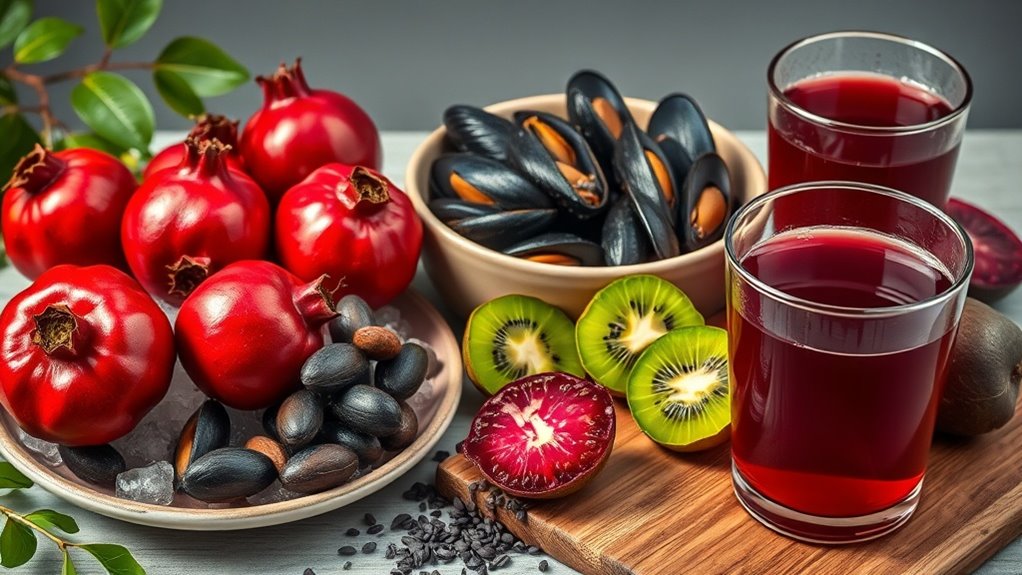
Surprising foods that support stronger male vitality may seem unlikely, but some dietary choices have measurable effects on energy, stamina, and hormonal balance. You’ll find that the science is nuanced: not every food guarantees improvements, and outcomes vary by individual baseline health, lifestyle, and genetics. When researchers examine nutrients linked to performance, they focus on markers like testosterone, nitric oxide availability, and mitochondrial efficiency, then compare those signals against dietary patterns. In controlled trials, certain foods show small but consistent associations with reported energy or sexual function, while others yield inconclusive results. Your best approach is to evaluate evidence in the context of overall health, rather than chasing a single “magic” item.
Surprising foods may aid vitality, but results vary by individual.
You might wonder which foods consistently show promise. You’ll see that some surprising foods contain compounds that may influence vascular function or hormonal regulation. For example, foods rich in plant flavonoids, nitrates, or healthy fats can support endothelial health and blood flow, which are relevant to sexual stamina and energy. Likewise, adequate protein and micronutrient intake matter for muscle maintenance and mood, potentially affecting perceived vitality. The data support that dietary patterns emphasizing whole foods, fiber, lean protein, and minimally processed fats tend to align with higher energy and better functional outcomes, though the magnitude of effect is typically modest and cumulative.
Be cautious about extrapolating from single studies. You’ll encounter headlines claiming dramatic effects from individual items, but robust conclusions usually require replication across diverse populations and longer follow-up. When considering surprising foods, look for reproducible signals across cohorts and meta-analyses rather than isolated trials. You’ll also want to account for potential confounders like sleep quality, physical activity, and stress, which can independently influence vitality and hormonal balance. In practical terms, this means incorporating a variety of nutrient-dense foods and maintaining consistency over weeks and months rather than chasing quick fixes.
If you’re adapting your diet with stronger vitality as a goal, start with reasonable targets: prioritize vegetables, fruits, whole grains, lean proteins, and sources of omega-3 fats; moderate alcohol intake; and limit ultra-processed foods high in added sugars and saturated fats. You’ll likely notice improvements in energy and mood that aren’t solely tied to a single nutrient. The evidence suggests that while certain surprising foods may contribute to a healthier baseline, stronger vitality emerges from a sustained, balanced pattern rather than any one item. Approach changes methodically, track changes over time, and consult healthcare guidance if you have underlying conditions or take medications that could interact with dietary shifts. By grounding choices in data and maintaining realistic expectations, you support vitality in a measured, evidence-based way.
Common Questions
Do These Foods Boost Testosterone Quickly?
Yes, these foods don’t cause rapid testosterone boosts. Any effects are modest and gradual; timing or preparation can influence nutrient absorption. Are there side effects? Generally minimal, but some people may experience GI discomfort or interactions with meds. How much testosterone changes vary individually. Can these foods replace medical treatment? No, they can’t substitute prescribed therapy. Careful, evidence-based use: combine a balanced diet with lifestyle factors and consult a clinician if you’re considering supplements or persistent symptoms.
Are There Side Effects From These Foods?
Like a cautious lighthouse, you’ll want to check safety first. Yes, there can be side effects, especially with high doses or prolonged use. Start with small servings and observe tolerance. Dosage considerations matter: follow labels, avoid exceeding advised amounts, and watch for digestive upset, headaches, or hormonal swings. If you have medical conditions or take meds, consult a clinician. Data suggests modest, balanced intake reduces risk while you monitor responses.
How Much of Each Food Is Enough?
A practical answer: you don’t need huge portions. For most foods, a moderate serving—about the size of your palm or a cup—paired with regular meals provides benefits without excess. Follow portion guidance on labels and tailor to your total intake. Use food pairing to optimize nutrient synergy, and track evidence from reputable sources when possible. If you have conditions, confirm recommendations with a clinician before large changes.
Can These Foods Replace Medical Treatment?
You should not rely on these foods to replace medical treatment. While they may support vitality, they can’t fix underlying conditions, so pursue medical care and discuss any changes with a clinician. Acknowledge medical treatment limitations and consider alternative therapies only as complements. Be mindful of evidence quality and potential placebo effects; don’t overestimate impact. Use data-driven, cautious reasoning to weigh benefits against risks and align choices with proven therapies whenever possible.
Do Timing or Preparation Methods Matter?
Yes, timing and preparation matter. Timing effects can influence nutrient absorption and potential benefits, so you should pair certain foods with meals or workouts when evidence suggests improved uptake. Preparation methods also matter: gentle cooking preserves nutrients, while excessive processing can reduce them. Rely on evidence-based guidance, monitor your responses, and avoid expecting cures. If you have health concerns, consult a clinician before making major dietary changes. Data supports cautious, individualized adjustments rather than universal prescriptions.