
You’ve heard whispers of ancient roots nearly humming with energy, and you’re wondering if there’s something practical for daily drive. In evidence-based terms, herbs like Panax ginseng may support energy and endurance for some people, Rhodiola rosea can ease perceived effort under stress, and ashwagha may help with stress resilience. They work best with solid sleep, nutrition, and exercise, and should be used thoughtfully to avoid interactions. Curious about how to tailor a safe, sustained approach for you?
Key Points
- Panax ginseng may modestly support fatigue reduction and endurance as part of a broader health plan.
- Rhodiola rosea can lower perceived exertion during stress, aiding motivation when combined with good lifestyle habits.
- Ashwagandha (an adaptogen) may reduce stress and support steadier daily rhythms, not a standalone fix.
- Safe use depends on quality sourcing, proper dosing, and clinician review for interactions and conditions.
- Core lifestyle foundations (sleep, nutrition, activity, stress management) amplify any herb’s effects on daily drive.
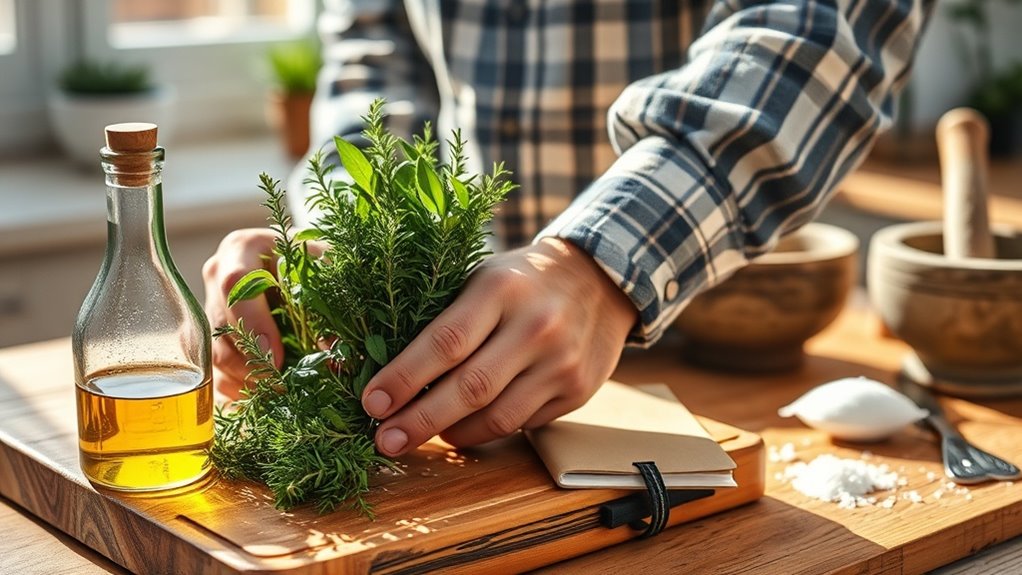
Wondering how natural herbs can help men improve daily drive? You’re here to understand options without hype, grounded in evidence, and focused on your whole person. When you approach herbs as part of a broader approach—sleep, stress management, nutrition, and physical activity—you’ll see how daily drive can be supported in a sustainable way. Many herbs have traditional roots and emerging science that point to modest, meaningful effects for aspects of sexual health and energy, without promising instant miracles. The aim isn’t to replace medical care when it’s needed, but to complement healthy routines and medical advice with thoughtful selections.
You’ll find that several natural herbs are studied for their potential to support sexual performance, stamina, and mood, which underpin daily drive. Panax ginseng, for example, has been examined for fatigue reduction and enhanced endurance in some trials, with responses varying by individual health status. Rhodiola rosea is sometimes linked to improved energy and reduced perceived exertion during stress, which can indirectly influence motivation and consistency in daily activities. Ashwagandha, another adaptogen, is associated with stress reduction and hormonal balance in certain contexts, offering a potential pathway to steadier daily rhythms. While these herbs show promise, you’ll benefit most when using them as part of a holistic plan rather than as lone solutions.
To apply natural herbs safely, start with quality sourcing, clear labeling, and appropriate dosing under guidance. You’ll want to review possible interactions with medications, underlying health conditions, and any contraindications with a clinician or pharmacist. It’s important to monitor how you feel after starting a herb, noting energy levels, sleep quality, mood, and any digestive changes. If you notice improvements, sustain a regular pattern—consistency matters more than intensity. If you don’t notice effects after several weeks, reassess in partnership with your healthcare provider, because not every herb works for everyone, and some require adjustments.
A patient-centered approach emphasizes lifestyle integration. Prioritize sleep hygiene, balanced meals with adequate protein and healthy fats, regular physical activity, and stress-reduction practices such as mindfulness or breathwork. These foundations often amplify any herb’s potential benefits for daily drive. You might also consider behavioral strategies: setting small, attainable goals; planning periods of focused activity with breaks; and cultivating social support for accountability. In many cases, gradual changes yield durable improvements more than rapid, dramatic shifts.
Common Questions
Do These Herbs Have Long-Term Safety Risks?
Yes, there can be long-term risks, so you should tread thoughtfully. You’ll want to weigh natural safety concerns against benefits as you consult a clinician. Some herbs may interact with medications or affect blood pressure, hormones, or liver enzymes. The long term risks vary by herb, dose, and individual health. Monitor symptoms, use reputable sources, and consider a holistic plan. Your safety matters; document any side effects and seek guidance before sustained use.
Which Herbs Boost Daytime Alertness Specifically?
You can boost daytime alertness with mindful herb choices, prioritizing morning focus and balancing potential herb-drug interactions. In your plan, consider peppermint, ginkgo, and rhodiola for alertness, but weigh evidence and consult your clinician for safe combinations. Track effects on sleep, mood, and energy. Be aware of herb–drug interactions, especially if you take stimulants, antidepressants, or anticoagulants. Holistic strategies—sleep, hydration, mindful breaks—support sustained focus alongside any chosen herbs.
Are There Interactions With Common Medications?
Medication herb interactions can affect you, and long term safety concerns matter. You should check with a clinician before mixing herbs with prescription meds, especially if you take anticoagulants, antidepressants, or heart meds. Juxtaposed cautions—risks vs benefits—aren’t scare tactics; they’re safety. I’d recommend monitoring for new symptoms, sticking to evidence-based doses, and using high-quality products. This patient-centered approach emphasizes open dialogue to minimize interactions while supporting your daily drive.
How Quickly Do Benefits Appear After Use?
How quickly benefits appear varies by herb, dose, and individual factors, but you should allow several days to weeks for noticeable effects, not hours. Track changes, stay consistent, and discuss timelines with your clinician. Long term safety risks exist for some herbs, especially with chronic use or interactions. You deserve evidence‑based guidance, realistic expectations, and monitoring. If you don’t notice improvements or experience side effects, reassess and adjust under professional supervision.
Are Herbal Options Legal and Sport-Tested?
Yes, herbal options are legal in many places, but legality varies; check local regels. You’ll want to know the legal status, sport testing, and ingredient transparency before use. You’ll seek evidence: do products undergo third-party testing, are bans documented, and are dosages within safe ranges. You’ll compare brands for certified sport testing, ensure non-banned substances, and monitor your response with a clinician. You’ll choose cautiously, prioritize safety, and respect sport-specific rules.