
Sugar can feel like quicksand for your energy, mood, and arousal. When you cut back, blood glucose stabilizes, reducing crashes that sap desire and performance. You may notice steadier energy, better mood, and improved vascular health—key factors for reliable arousal and lubrication. Pairing this with balanced meals supports hormones and weight, shaping a hormonal environment that favors libido. Small, sustained changes in your diet could unlock a clearer path to intimacy, but the exact impact depends on your unique physiology.
Key Points
- Reducing sugar stabilizes blood glucose, boosting steady energy and mood to support reliable sexual responsiveness.
- Lower sugar improves vascular function and blood flow, enhancing erectile quality and lubrication.
- Sugar reduction aids weight management and hormonal balance, promoting a favorable testosterone-to-estrogen ratio.
- Less sugar enhances cognitive clarity and mood regulation, increasing motivation and responsiveness to intimacy.
- Practical shifts (fiber-rich foods, hydration, label reading, activity) amplify energy, mood, and vascular benefits for libido.
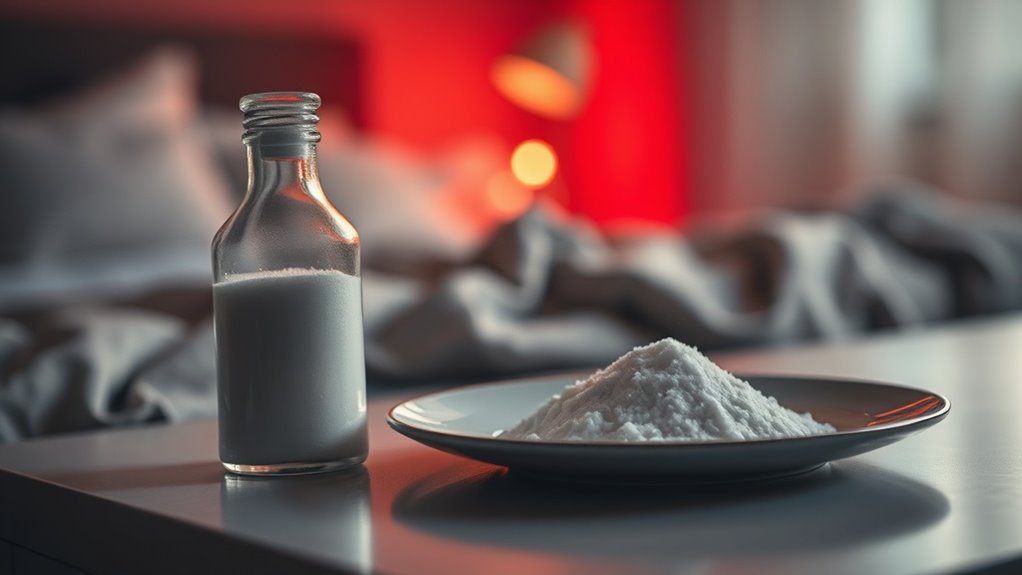
Reducing sugar can boost libido by improving overall energy, mood, and vascular health, which are foundational to sexual desire and performance. When you cut excess sugar, you reduce blood glucose fluctuations that can cause fatigue and irritability, helping you maintain steadier stamina for intimate moments. The evidence suggests that high sugar intake is linked to insulin resistance and weight gain, both of which are associated with lowered sexual well-being. By limiting added sugars, you may experience more consistent energy levels, clearer thinking, and better mood regulation, all of which support a responsive libido.
In practical terms, you’ll notice changes in daily energy that translate to engagement and interest in sex. Consistent energy supports earlier onset of arousal and more reliable performance. The link between sugar intake and mood is well-documented: sugar spikes can trigger transient mood dips as blood sugar crashes occur, potentially dampening sexual desire. Reducing sugar helps stabilize mood, which is a favorable condition for sexual responsiveness. When you’re not battling fatigue or irritability, you’re more likely to perceive sensual cues and feel motivated to initiate intimacy.
Vascular health is a key mechanism behind libido improvements. Excess sugar contributes to endothelial dysfunction and arterial stiffness over time, which can impair blood flow to genital tissues. By minimizing sugar, you support healthier vascular function, potentially improving erectile quality and lubrication for those who need it. This vascular benefit aligns with broader cardiovascular risk reductions seen with lower sugar consumption, reinforcing the physical capacity that underpins sexual interest and performance.
Weight management also plays a role in libido. Higher body fat, especially visceral fat, is associated with altered sex hormone profiles and reduced sexual motivation. Reducing sugar helps with weight control and metabolic balance, which can normalize testosterone-to-estrogen ratios in a way that supports libido for many people. While individual responses vary, the overall pattern shows that sugar reduction can contribute to a more favorable hormonal milieu and greater sexual vitality.
You don’t have to abandon pleasure to reduce sugar. Focus on whole foods, fiber-rich carbohydrates, and gradual substitution of sugary drinks with water or unsweetened beverages. Reading nutrition labels helps you identify hidden sugars in sauces, cereals, and snacks. Pairing lower sugar choices with regular physical activity further amplifies benefits to energy, mood, and vascular health, thereby supporting recurring sexual desire and performance.
Common Questions
Can Sugar Reduction Affect Testosterone Levels in Men?
Yes, sugar reduction can influence testosterone modestly via hormonal mechanisms, though effects vary. You may see improved insulin sensitivity and reduced inflammatory load, helping normal testosterone production and recovery timelines after metabolic stress. However, direct, large shifts are unlikely for many men; individual factors matter. Track changes with consistent measurements and consider overall fat loss and exercise. The hormonal mechanisms involve insulin, SHBG, and Leydig cell function, while recovery timelines depend on baseline health and adherence.
Does Sugar Affect Female Libido Differently Than Men?
Sugar can affect female libido differently than men, but the core is similar: hormones and cravings interplay. You may notice that high sugar intake spikes insulin and cortisol, then drops in estrogen or testosterone balance, potentially dampening arousal. Your libido responds to mood, energy, and vascular health, all influenced by sugar. There’s no single rule, but reducing sugar often stabilizes cravings and improves overall hormonal balance, supporting healthier libido over time.
How Quickly Can Libido Improve After Cutting Sugar?
Cutting sugar can lead to noticeable libido improvements within a few weeks for many people. You might notice steadier energy, fewer energy dips, and a more stable mood as your slow metabolism begins to normalize. By the second to fourth week, your workouts and sleep can improve, aiding sexual responsiveness. Everyone’s pace differs, so stay consistent, monitor changes, and consult a clinician if you don’t see progress after about a month.
Are Artificial Sweeteners Safer for Libido Than Sugar?
Artificial sweetness may seem safer, but evidence on libido is mixed. You’re not guaranteed better libido from artificial sweeteners; some studies suggest no direct benefit and others hint at metabolic or gut effects that could influence desire. For now, the safer stance is that artificial sweetness isn’t clearly superior for libido. You should weigh overall health, glucose balance, and stress, acknowledging possible libido impact as part of a broader, evidence-based approach.
Can Sugar Withdrawal Cause Temporary Sexual Side Effects?
Yes, sugar withdrawal can cause temporary sexual side effects for you. When you cut sugar, sleep quality can initially worsen, then improve, and sleep disruptions may affect libido. Stress hormones like cortisol can spike during withdrawal, altering arousal and desire. Over time, as blood sugar stabilizes and sleep quality improves, you may notice steadier energy and better sexual function. If symptoms persist, consider consulting a clinician to explore hormonal or metabolic contributors.