
You’re exploring natural options for men’s intimate wellness, focusing on evidence-supported herbs like epimedium, ginkgo biloba, ginseng, and ashwagha, while weighing safety and interactions. You’ll want standardized extracts, reputable sourcing, and a plan that pairs with sleep, stress management, and exercise. The balance between potential benefits and realistic expectations matters, and there are nuances to consider with duration and dosing that could impact your goals. There’s more to consider before you decide how to proceed.
Key Points
- Epimedium (horny goat weed) may support erectile function via potential nitric oxide pathways, best with lifestyle factors and reputable sourcing.
- Panax ginseng can help stamina and sexual satisfaction in older adults or fatigue-related cases, used with lifestyle factors.
- Ginkgo biloba may influence arousal through cerebral blood flow, but results are mixed; monitor interactions and quality.
- Ashwagandha may reduce stress-related sexual dysfunction when paired with sleep, nutrition, and exercise; track outcomes and side effects.
- Seek products with third-party testing and consider clinician guidance for personalized safety and efficacy.
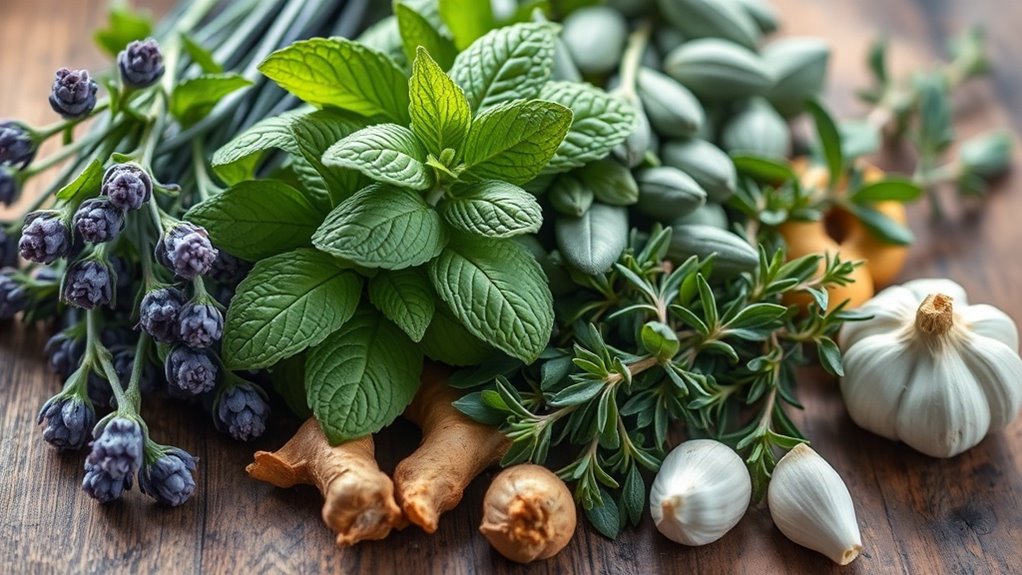
Curious about natural options for men’s intimate wellness? You’re looking at evidence-based options grounded in traditional use and modern research. The first subtopic centers on Herbal motivations and Libido balance, inviting you to consider how certain botanicals are believed to influence function and desire without claiming guarantees. Herbal motivations refer to the underlying rationale for chosen plants: rooted in historical use, coupled with emerging data on mechanisms like modulation of nitric oxide, dopamine, and endocrine signaling. When you assess these options, you weigh quality, dosage, interactions, and personal tolerance, rather than chasing quick fixes. In selecting herbs, you’ll want to distinguish between those with modest, reproducible signal versus those with anecdotal support only. You may encounter standardized extracts that provide consistent active compound content, helping you compare products more reliably across brands and batches. Evidence-based use emphasizes effect sizes, safety profiles, and realistic expectations about time to observe changes, which can range from weeks to several months depending on the botanical and your physiology.
Epimedium, commonly known as horny goat weed, has been studied for its putative effects on erectile function through potential increases in nitric oxide pathways. You don’t assume dramatic results, but you acknowledge that some trials show modest improvements in erectile rigidity when used alongside lifestyle factors. Ginkgo biloba, another frequently discussed herb, is examined for cerebral blood flow and arousal-related aspects, though results for libido enhancement are mixed and often context-dependent. If you pursue such options, you monitor for adverse interactions with medications like anticoagulants and antidepressants, given the herb’s coagulation and CNS activity profiles. Panax ginseng has long-standing use for vitality and sexual function, with some studies suggesting benefits in stamina and sexual satisfaction, particularly in older adults or those with fatigue-related contributors. You’re advised to scrutinize trial design, participant characteristics, and dosages, recognizing that expectancy effects can influence perceived improvements.
Ashwagandha appears in conversations about stress reduction and sexual health, with evidence suggesting improvements in sexual desire and distress in certain populations when chronic stress or anxiety contributes to dysfunction. You evaluate it alongside sleep quality, cortisol patterns, and concurrent health conditions. The overarching message is precision: identify a target outcome, select a herb with a plausible mechanism, and pair use with lifestyle adjustments—nutrition, exercise, sleep, stress management. You document any changes, watch for side effects like gastrointestinal upset or insomnia, and pause use if you notice adverse reactions or interactions. For any herb, ensure you’re sourcing from reputable manufacturers, verify third-party testing, and consider clinician review if you’re taking prescription meds. In sum, Herbal motivations and Libido balance frame a careful, individualized approach that respects evidence, safety, and realistic expectations while you explore natural options for intimate wellness.
Common Questions
Are There Any Side Effects From These Herbs?
There can be side effects, though they’re usually mild and vary by herb and individual. You should investigate the truth of claims about risks first, because anecdotes aren’t proof. Common issues include GI upset, headaches, or allergic reactions; some herbs may interact with meds. For side effects awareness, monitor your body and report anything unusual. Be mindful of interactions with meds, and consult a clinician before starting any new herb, especially if you take prescriptions.
How Long to See Results From Herbal Use?
Results vary, but you’ll typically start noticing changes within 4–8 weeks with consistent use, though some herbs may take longer. Monitor Timing expectations and track any improvements or side effects, as individual responses differ. Herbal interactions can influence effectiveness, so you should review all supplements you’re taking and avoid potential clashes. If you don’t see progress after 8–12 weeks, reassess your plan with a clinician. Stay patient, document results, and adjust accordingly.
Are Herbs Safe With Prescription Medications?
Herbs can interact with prescription meds, so you should not assume safety without checking. Are herb drug interactions possible? Yes, and timing of herbal effects and variability in response vary by herb and individual. You should always discuss with your clinician before combining therapies and seek safety monitoring. This is not a guarantee of safety, and careful evaluation helps minimize interactions and adverse outcomes. If in doubt, pause use and consult a pharmacist.
Can These Herbs Improve Libido Quickly?
These herbs may help only gradually, not instantly. You shouldn’t expect quick libido improvements; timing varies by individual, and evidence is mixed. Some supplements can modestly support arousal or endurance, but effects often take weeks and depend on overall health, dosing, and interactions with medications. Use Endurance boosters as labeled, monitor for side effects, and discuss with a clinician. If you want faster results, prioritize sleep, stress reduction, and balanced nutrition alongside any herbal use.
Which Herbs Are Best for Endurance?
You want herbs for endurance, and evidence suggests limited, modest benefits from select options. Herbal endurance boosters like ginseng, horny goat weed, and withania may help some individuals, but effects are inconsistent. For long term use considerations, monitor blood pressure, sleep, and interactions with meds, and avoid high-dose, prolonged use. Start with lower doses, and give at least several weeks to judge impact. If any adverse effects appear, discontinue and consult a clinician.