
Weight gain acts like a weighty mask over your drive, dimming hormones and mood. You may notice more estrogen production from fat, less free testosterone, and energy dips that blunt arousal. Insulin resistance, inflammation, and central obesity further skew physiology, while body-image concerns and stress dampen desire. Sleep disruption and health issues can amplify these effects, though targeted lifestyle changes often restore balance over time. Keep pursuing answers as you consider what to adjust next.
Key Points
- Weight gain raises aromatase activity in fat tissue, lowering free testosterone and reducing libido and energy.
- Increased central adiposity worsens insulin resistance and inflammation, which can dampen sexual desire.
- Body image and mood changes from weight gain can decrease self-esteem, anxiety about performance, and interest in sex.
- Obesity-related conditions and certain medications can impair vascular and neural pathways essential for arousal.
- Poor sleep from weight gain and sleep apnea reduces daytime energy and testosterone, further lowering libido.
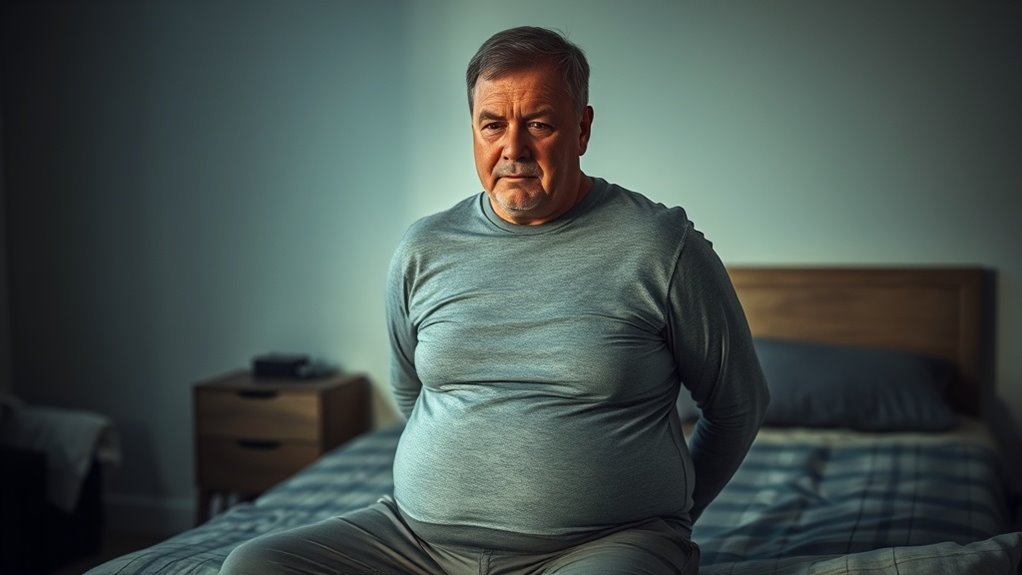
Weight gain can alter sexual desire in men through multiple biological and psychological pathways. You’ll notice changes in libido as body composition shifts and metabolic signals evolve. In many men, extra adipose tissue brings hormonal shifts that can dampen arousal and interest. Fat tissue isn’t inert; it secretes adipokines and converts testosterone to estrogen via aromatase, lowering circulating free testosterone levels. When testosterone declines, you may experience reduced libido changes in motivation, energy, and erectile responsiveness, particularly if weight gain accumulates over months. These hormonal shifts can parallel elevations in insulin resistance and inflammatory markers, creating a milieu that discourages sexual interest. Recognize that not every man with weight gain will develop the same pattern, but the likelihood increases as weight and central adiposity rise.
Weight gain can lower male libido through hormonal shifts and body-image factors.
You’ll also encounter psychological factors that influence libido changes alongside physiological ones. Weight gain may affect body image, self-esteem, and perceived desirability, which can diminish sexual desire even when physical function remains intact. Anxiety about performance or fear of judgment can suppress arousal, while depressive symptoms linked to body dissatisfaction can further blunt interest in sex. In chronic cases, mood disturbances may sustain a cycle where reduced libido contributes to avoidance of intimate situations, perpetuating negative associations with sexual activity. Addressing mental health and body confidence can yield meaningful improvements in sexual motivation, sometimes independent of measurable hormonal shifts.
From a medical standpoint, you should assess possible comorbidities that accompany weight gain. Obesity and overweight status are associated with metabolic syndrome, type 2 diabetes, dyslipidemia, and hypertension, each potentially impacting vascular and neural pathways relevant to sexual function. Medications used for comorbid conditions, such as certain antidepressants or antihypertensives, may further influence libido changes. Sleep disturbances, including obstructive sleep apnea common in heavier individuals, can impair testosterone production and daytime energy, reducing sexual interest. A comprehensive medical evaluation helps distinguish primary hormonal contributors from secondary factors, guiding targeted interventions.
Lifestyle modifications offer favorable, evidence-based approaches to restore sexual desire. Weight loss achieved through combined dietary changes and regular physical activity improves body composition, mitigates insulin resistance, and reduces inflammatory markers, often yielding improvements in testosterone balance and libido changes. Resistance training can bolster testosterone levels more directly than aerobic exercise alone, while dietary strategies that emphasize protein, fiber, and micronutrient adequacy support hormonal health. Addressing sleep quality, reducing alcohol excess, stopping tobacco use, and managing stress further enhances recovery of sexual function. If needed, clinicians may consider targeted therapies individualized to your profile, including pharmacologic or hormonal options, though these are typically reserved for specific indications.
Common Questions
Do Weight Changes Affect Testosterone Levels Directly?
Yes, weight changes can affect testosterone levels directly. Higher body fat, especially central fat, is linked to lower total and free testosterone via increased aromatase activity and insulin resistance. Fat distribution matters: visceral fat more strongly correlates with hormonal shifts than subcutaneous fat. Weight loss and improved body composition often raise testosterone levels. Maintain healthy weight, exercise, and balanced nutrition to optimize both weight and testosterone, acknowledging individual variability and medical guidance if concerns persist.
Can Weight Gain Cause Erectile Dysfunction Risks?
Weight gain can increase erectile risk. You may notice more difficulty achieving or maintaining an erection, especially with cardiovascular strain or metabolic changes. Evidence links higher body weight to impaired blood flow, endothelial function, and hormonal shifts that affect arousal. While not inevitable, risk rises with sustained weight gain and comorbidities like diabetes or hypertension. Addressing weight, lifestyle, and, if needed, medical management can reduce erectile risk and improve sexual health.
Does Fat Distribution Influence Libido Differently?
Fat distribution can influence libido impact, with abdominal fat linked to hormonal changes that may lower libido, while peripheral fat shows weaker associations. You may notice differing sexual drive patterns based on fat location rather than total weight alone. Evidence suggests metabolic factors, inflammation, and testosterone interactions drive these effects. If weight shifts redistribute fat, libido impact can fluctuate. Maintain healthy body composition through balanced activity and nutrition; consider medical evaluation if changes persist or worsen.
How Quickly Can Libido Rebound After Weight Loss?
You can see libido rebound within weeks to a few months after weight loss, depending on overall health and adherence to lifestyle changes. You may notice improved energy and better sleep quality, which support sexual desire. If fat loss is gradual and you address metabolic health, you’ll likely gain quicker improvements. Persistent low energy or sleep issues deserve medical checks, as hormonal balance, stress, and mood can modulate recovery of sexual function.
Are There Age-Related Factors in Weight-Related Libido Changes?
Yes, there are age-related factors in weight-related libido changes. As you age, hormonal shifts and metabolic changes can intensify how weight gain affects libido, with reduced testosterone, insulin resistance, and vascular health playing roles. Evidence suggests older men may notice more pronounced decreases, whereas younger men recover faster after weight changes. You should monitor body composition, sleep, and comorbidities, and discuss pharmacologic or lifestyle strategies with a clinician to optimize sexual health. Weight gain matters increasingly with age.