
When you’re poorly recovered, your body leans toward inflammation and higher sympathetic drive, while parasympathetic tone drops. That shift dulls sensory processing, slows reactions, and fuels harsh self-talk, all of which undercut intimate confidence. Your cognitive resources prioritize basic needs, leaving less bandwidth for cues and scripting in romance. You’ll feel more fatigue and vigilance, making arousal feel delayed or forced. It’s a cycle that makes confidence in intimate moments harder to sustain, unless you address recovery.
Key Points
- Poor recovery elevates inflammation and sympathetic activity, dulling sensory processing and slowing reaction times that underlie intimacy confidence.
- Reduced parasympathetic tone from incomplete recovery shifts CNS balance, increasing vigilance and self-doubt during romantic moments.
- Ongoing stress from inadequate rest diverts cognitive resources away from romance, limiting scripting and responsiveness to partner cues.
- Negative self-talk amplifies with fatigue, lowering confidence and increasing hesitancy before intimate contact.
- Consistent recovery routines improve sleep, nutrition, and hydration, which stabilize physiology and restore clearer, more confident engagement.
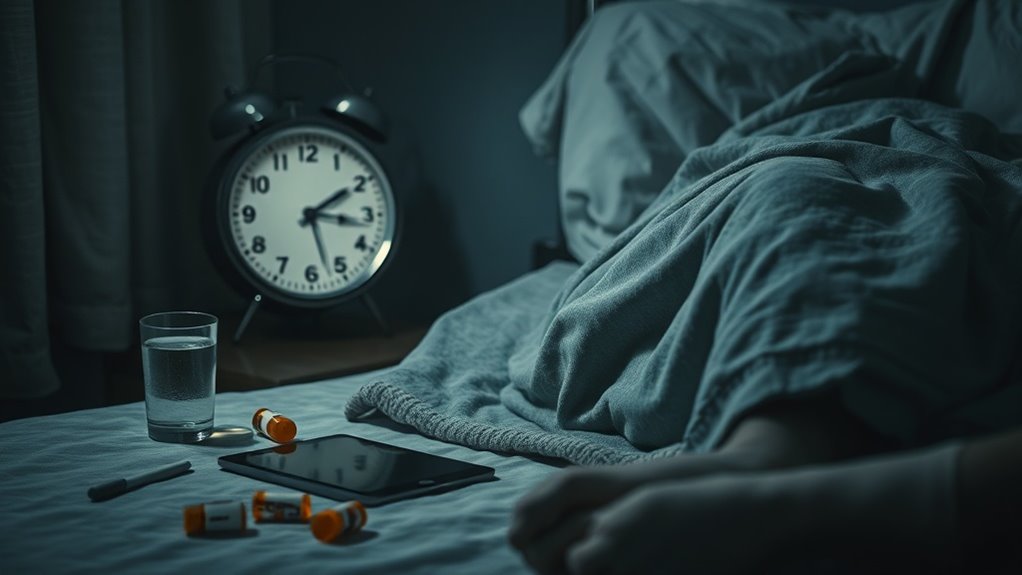
When recovery slows or stalls, intimate confidence often suffers as a side effect. You might notice doubt creeping in about performance, attraction, and your own desirability. This isn’t just mood dip; it’s a measurable shift tied to physiological and psychological states during impaired recovery. In practical terms, you may feel less certain in intimate moments, hesitating before initiating contact or misreading cues because fatigue and physical vulnerability tilt your perception of risk and reward. The core idea is that recovery quality shapes your central nervous system balance, hormonal milieu, and energy reserves, all of which influence confidence.
Evidence shows that incomplete recovery elevates inflammation and sympathetic activity while reducing parasympathetic tone. Those changes can dull sensory processing, slow reaction times, and magnify negative self-talk. You may also experience reduced endurance, weaker erections or dampened arousal, and slower recovery after intimacy itself. When the body perceives ongoing stress from inadequate rest, nutrients, or sleep disruption, cognitive resources divert toward basic survival needs rather than elaborate romantic scripting. This allocation reduces the bandwidth available for confident, fluid interaction in intimate settings.
Incomplete recovery raises stress signals, dulling perception and dampening confidence in intimate moments.
To counter these effects, you need concrete, reproducible strategies. First, acknowledge the link between recovery and confidence rather than treating them as separate issues. Second, implement confidence strategies that pair behavioral rehearsal with physiological grounding. For example, practice slow, deliberate breathing and brief body scans before intimacy to restore parasympathetic balance and improve body awareness. This isn’t about forcing arousal; it’s about restoring a calm base from which you can respond more accurately to your partner’s signals.
Body awareness matters because it helps you distinguish real fatigue from catastrophizing thoughts. By tuning into muscular tension, heart rate, and breath, you can decide when to engage, pause, or adjust intensity. If fatigue dominates, you might choose gentler touch, shorter sessions, or delayed escalation, which preserves trust and reduces pressure that erodes confidence. Conversely, when you notice readiness signals, you can escalate thoughtfully, reinforcing positive feedback loops that build confidence over time.
Consistency matters more than intensity. Daily routines that support recovery—adequate sleep, balanced meals with sufficient protein, hydration, and light physical activity—create a reliable platform for performance and confidence. When recovery improves, you’ll find your confidence strategies more effective because you’re operating from clearer perception and steadier physiology. Track your patterns: correlate rest quality with moments of self-doubt, then adjust sleep timing or stress management plans accordingly. Over weeks, you’ll observe fewer episodes of brittle confidence and more frequent, accurate engagement with your partner, anchored by enhanced body awareness and proven confidence strategies.
Common Questions
How Long Does Intimate Confidence Take to Recover Post-Illness?
You’ll typically see a recovery timeline of several weeks to a few months for post-illness intimacy, depending on illness severity and baseline health. Immediately, you feel slower pace and lingering fatigue; alongside, you notice renewed energy as healing progresses. Juxtapose rest with renewed activity to track improvement. Your intimate confidence often returns gradually with better sleep, stress control, and open communication. Stay patient, practice gradual exposure, and prioritize consistent, honest discussions about comfort levels and boundaries throughout recovery.
Does Sleep Quality Affect Sexual Confidence During Recovery?
Sleep quality can affect your sexual confidence during recovery. When rest improves, hormonal balance, energy, and mood stabilize, supporting better arousal and self-assurance. Poor sleep disrupts testosterone and cortisol patterns, increasing fatigue and anxiety that undermine sexual confidence. Prioritize consistent sleep schedules, a calming pre-bed routine, and a dark, cool environment. If sleep issues persist, consult a clinician. By tracking sleep quality and refining habits, you may see gradual gains in sexual confidence during recovery.
Can Medications Impact Intimate Confidence Recovery?
Medications can impact intimate confidence recovery, often through medication side effects that affect libido, mood, or erectile function. You should assess whether changes align with your recovery expectations and discuss timing, dosing, or alternatives with your clinician. Evidence shows varied effects across drug classes, so tracking symptoms helps distinguish medication-related changes from natural recovery. If side effects persist or hinder goals, consider switching or adjunct therapies while setting realistic recovery expectations.
What Role Does Mental Health Play in Recovery Confidence?
Mental health greatly shapes recovery confidence; you feel steadier when mood regulation is strong, yet struggle when cognitive impact and anxiety rise. Juxtaposition: you may be capable and hopeful one moment, then uncertain and self-critical the next. You’ll benefit from structured routines, supportive therapy, and realistic goals. Evidence links better mental health to higher recovery confidence, while persistent stress undermines it. Prioritize sleep, coping skills, and social support to bolster resilience and cognitive clarity during rehab.
Are There Safe Exercises to Rebuild Intimacy Confidence?
Yes—there are safe exercises to rebuild intimacy confidence. Start with small, consistent steps: practice safe touch, eye contact, and active listening, then gradually introduce rated exposures to intimacy moments. Use confidence-building routines like short daily goal-setting, journaling progress, and breathing to reduce anxiety before intimacies. Focus on non-sexual closeness first, celebrate small wins, and track mood shifts. Evidence suggests gradual exposure plus communication boosts confidence, reduces fear, and sustains improvement over time.