
You should think of your daily plate as a foundation for vascular health, prioritizing leafy greens rich in nitrates, berries and citrus for antioxidants, and fiber from whole grains and beans to support lipid and gut health. Include fatty fish or algae sources for omega-3s, use extra-virgin olive oil as your primary fat, and add nuts or seeds for minerals like magnesium and potassium. Pair these choices with mindful sodium, hydration, activity, sleep, and progress tracking to build durable benefits.
Key Points
- Emphasize leafy greens (nitrates) and berries/citrus (antioxidants) to boost nitric oxide and reduce endothelial inflammation.
- Include fatty fish several times weekly, or algae/ flaxseeds for omega-3s and ALA to support arterial function.
- Use extra-virgin olive oil as primary cooking fat for anti-inflammatory polyphenols and vascular health.
- Add nuts and seeds for minerals and L-arginine in moderate portions; season with garlic and turmeric for anti-inflammatory effects.
- Monitor sodium, hydration, and overall lifestyle (exercise, sleep, no smoking) while tracking resting heart rate and blood pressure.
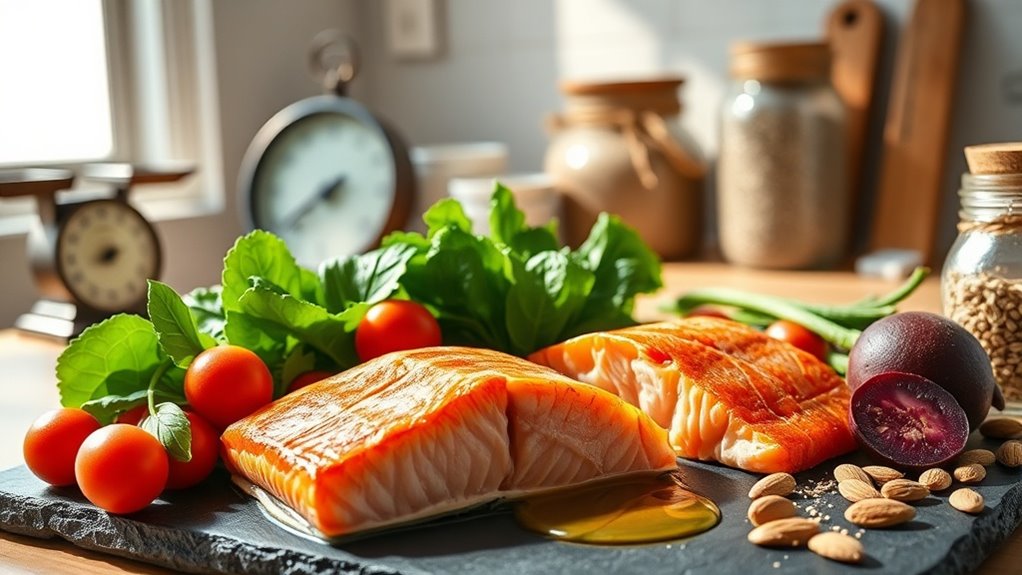
Many men can improve their circulation by choosing nutrient-dense foods known to support cardiovascular health and vascular function. You’ll notice that certain items consistently support endothelial function, reduce oxidative stress, and promote steady blood flow. In practice, you’ll want to select foods rich in flavonoids, omega-3s, nitrates, potassium, and fiber, then integrate them into realistic daily habits. Establishing this foundation is not about a miracle ingredient but about a pattern you can sustain over months and years.
Your daily diet should emphasize vegetables and fruit with proven vascular benefits, such as leafy greens, berries, and citrus. Leafy greens provide nitrates that convert to nitric oxide, aiding vasodilation and blood flow. Berries and citrus contribute antioxidants that mitigate endothelial inflammation, supporting vessel flexibility. Pair these with whole grains, beans, and other fiber-rich options to support lipid profiles and gut health, which indirectly influence circulation. You’ll also benefit from plant-based proteins and fatty fish, which supply polyunsaturated fats that reduce triglycerides and improve endothelial function.
Protein choices matter for circulation, but you won’t get far if you neglect fats. Include fatty fish several times per week to obtain omega-3 fatty acids, known to reduce platelet aggregation and improve arterial function. If you don’t eat fish, consider algae-based supplements or flaxseeds and chia seeds to supply alpha-linolenic acid, recognizing conversion efficiency varies by individual. For cooking, favor extra-virgin olive oil as your primary fat source, since its polyphenols contribute to vascular health and anti-inflammatory effects.
Nuts and seeds offer micronutrients tied to improved blood pressure and flow, including magnesium, potassium, and L-arginine in smaller amounts. They’re energy-dense, so portion control matters; a small handful per day can fit into most daily routines. Spices such as turmeric and garlic have modest, evidence-based effects on inflammation and circulation, and they’re easy to add to meals you already prepare.
Sodium intake should be moderated, as excess salt can raise blood pressure and hinder blood flow. You’ll want to monitor beverages and processed foods that contribute hidden sodium. Hydration matters too: adequate water supports blood volume and viscosity, aiding circulation during daily activities and exercise.
Finally, your daily habits extend beyond meals. Regular aerobic activity, resistance training, adequate sleep, and smoking avoidance synergize with dietary choices to improve blood flow and vascular health. Track progress with simple metrics like resting heart rate, blood pressure, and perceived exertion after exertion. With consistent, evidence-informed choices, you’ll see measurable improvements in vascular function and everyday performance.
Common Questions
Do These Foods Affect Blood Pressure Quickly?
Yes, they can have quick effects on blood pressure, but results vary by person. You may notice small changes within hours to days, especially with foods rich in potassium, magnesium, or omega-3s, and reduced sodium. The evidence supports modest, individualized effects rather than dramatic shifts. Track your readings, stay hydrated, and consult a clinician for persistent changes. Quick effects are possible, but long-term control relies on overall dietary patterns and lifestyle factors.
Can Circulation Foods Replace Medical Treatments?
Circulation foods cannot replace medical treatments. You should not stop prescribed therapies or ignore clinician advice while relying on dietary options. Evidence suggests some nutrients and foods may support vascular health, but they’re adjuncts, not primary cures. For conditions requiring medical management, continue treatments and discuss dietary changes with your healthcare provider. Focus on balanced intake, monitoring, and evidence-based guidelines to complement, not substitute, medical treatments.
Are There Any Side Effects From These Foods?
You should know that about 30% of adults report noticeable digestive or allergic reactions to certain foods, underscoring potential risks. Yes, there can be side effects from circulation-focused foods. Potential risks include gastrointestinal upset, interactions with medications, or nutrient imbalances. Interaction possibilities vary by item and your health status. You should monitor symptoms and consult a healthcare provider if you notice dizziness, ongoing GI distress, or changes in blood pressure after introducing these foods. Evidence supports cautious, individualized use.
How Much Daily Intake Improves Circulation Most?
Daily intake that most improves circulation varies, but a practical target is about 150–300 mg of combined omega-3s daily, plus 2–3 servings of nitrate-rich vegetables weekly. For your needs, aim for 500–800 mg of citrulline and 400–600 mg quercetin daily, if tolerated. Two word discussion idea, two word discussion idea. You’ll likely see benefits within 4–12 weeks with consistent activity and hydration. Individual responses vary, monitor symptoms and consult a clinician for personalized advice.
Do All Age Groups Benefit Equally From Them?
No, you don’t see the same benefit across all ages. Do age related differences exist? Yes, younger individuals often respond faster, while older adults may show slower or diminished effects. Evidence indicates the effect duration varies by age, health, and baseline circulation. You should expect more durable gains in some groups and shorter windows in others. Personal factors matter, so gradual, consistent intake plus exercise helps standardize improvements across age ranges.