
You’ll want to focus on foods that support vascular health, energy, and hormonal balance. Think fatty fish for omega-3s, leafy greens and citrus for nitric oxide signaling, and berries for antioxidants. Include seeds, nuts, and legumes for zinc and L-arginine, while keeping a mostly plant-forward pattern with modest animal sources. Pair these with balanced meals, steady sleep, and regular activity, then see why the overall pattern matters as you explore practical combos.
Key Points
- Emphasize plant-forward patterns with zinc-rich seeds, nuts, and legumes to support energy, circulation, and hormonal balance.
- Include fatty fish (salmon, mackerel) for omega-3s that improve vascular function and blood flow.
- Prioritize nitrate-rich citrus and leafy greens to enhance nitric oxide signaling and endothelial health.
- Maintain overall cardiovascular health with whole, minimally processed foods and sufficient micronutrients (vitamin D, magnesium, selenium, B vitamins).
- Monitor long-term dietary patterns and lifestyle (sleep, activity) for gradual, modest improvements in libido rather than quick fixes.
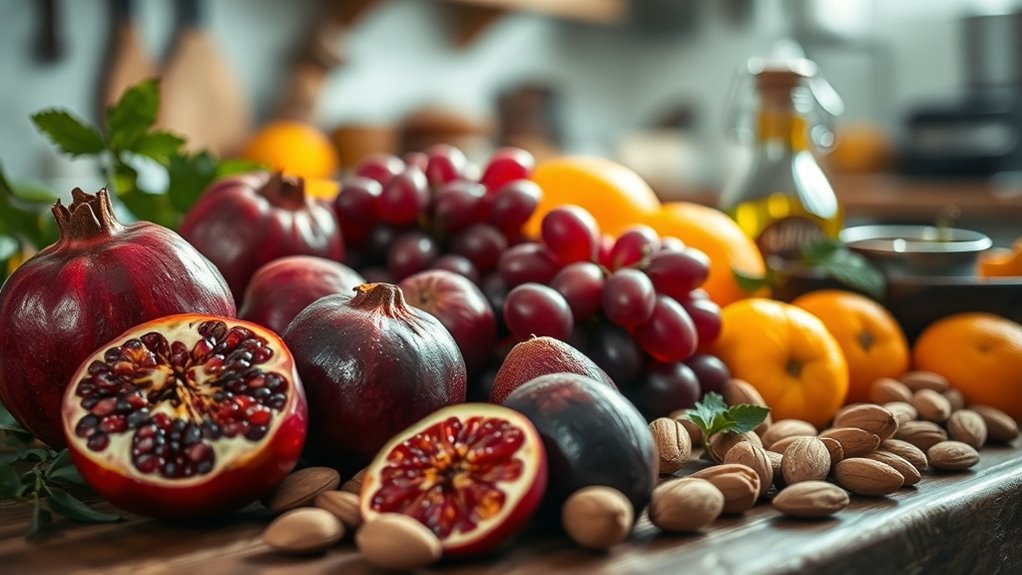
Increasing your libido can hinge on nutrition, and several natural foods stand out for their potential effects on sexual desire and function. You’ll assess how specific compounds in foods relate to sexual health, rather than relying on hype or anecdote. In this frame, the strongest evidence centers on nutrients that support vascular function, hormonal balance, and energy metabolism. For example, foods rich in nitrates, antioxidants, and essential fats contribute to endothelial health, which can influence genital blood flow. You’ll also encounter data on phytoestrogens and certain amino acids, but you’ll weigh this against study quality, dosage, and context. The overall question remains practical: can dietary choices meaningfully shift libido, and under what conditions?
Libido meets plate, a concept you can apply with intent. You’ll translate broad claims into targeted, repeatable habits. First, prioritize whole, minimally processed foods that supply micronutrients—zinc, magnesium, vitamin D, B vitamins, and selenium—that support testosterone production, energy, and mood. You’ll pair these with fiber-rich plants and lean proteins to sustain daily activity and reduce stress-related appetite suppression. Evidence suggests that gradual, sustained dietary patterns outperform dramatic, short-term interventions for sexual function in diverse populations. You’ll avoid single-ingredient fixes and rather adopt a balanced menu that supports vascular health and hormonal balance over weeks and months.
Libido meets plate: build a balanced, plant-forward menu that sustains vitality and hormonal balance over weeks.
Natural aphrodisiacs trends emphasize components with plausible biological effects, not just folklore. You’ll examine foods like citrus and leafy greens for nitrate content and nitric oxide signaling, berries and colorful produce for antioxidant capacity, and fatty fish for omega-3s that influence blood flow and inflammation. You’ll consider seeds, nuts, and legumes as convenient sources of zinc, L-arginine, and healthy fats that support circulation and energy. You’ll acknowledge that effects, when present, are typically modest and contingent on overall diet, body weight, sleep, and physical activity. You’ll also recognize that individual responses vary, influenced by baseline health, medications, and hormonal status.
In practice, you’ll apply these insights by constructing meals that emphasize plant-forward patterns with modest animal sources. You’ll monitor how you feel after meals, noting shifts in alertness, energy, and desire, while avoiding over-interpretation of isolated meals. You’ll document ongoing patterns, not one-off experiments, to determine whether your intake aligns with improvements in mood, stamina, and arousal. You’ll stay alert to research updates, because nutrition science evolves and larger trials continue to refine advice. Overall, you’ll value foods that support cardiovascular health, metabolic function, and well-being, recognizing that the strongest, most reliable libido benefits arise from sustainable dietary habits rather than sensational claims.
Common Questions
Do These Foods Have Proven Sexual Performance Benefits?
Yes, these foods can offer modest, individual benefits, but they’re not proven miracle cures for sexual performance. You may see slight improvements in libido myths tied to overall health, mood, and circulation, yet effects vary and robust clinical proof is limited. For prostate nutrition, evidence is mixed, and improvements aren’t guaranteed. Rely on balanced diet and lifestyle, and discuss concerns with a clinician if persistent issues arise.
How Quickly Can Benefits Appear After Consumption?
Benefits can appear within hours to days for some people, but responses vary. You may notice changes sooner with consistent use and overall health improvements. A growth mindset helps you adjust expectations as you monitor effects. Timing strategies matter: take compounds with meals, align intake with exercise, and track signals over several weeks. If you don’t see progress, reassess factors like sleep, stress, and hydration. Maintain evidence-based pacing and avoid overreliance on quick fixes.
Are There Any Side Effects or Interactions?
Yes, there can be side effects, nutrient interactions, and drug interactions to consider, and safety considerations vary by substance. You may experience stomach upset, headaches, or allergic reactions with certain ingredients. Interactions with medications like anticoagulants, antidepressants, or blood pressure drugs are possible. Always check for contraindications, start with small amounts, and monitor for adverse signs. If you’re unsure, consult a clinician before combining supplements with prescriptions or existing health conditions.
Should Men and Women Respond Differently to These Foods?
Yes, you should consider differences: men and women differences affect responses, but effects are typically modest and variable. Hormonal interactions influence libido signals, so you may notice differing sensitivities to certain foods. You’ll benefit from observing personal responses and using evidence-based guidance. Individual factors like age, baseline hormones, and health status matter. Overall, there isn’t a universal rule; tailor choices and monitor changes, while acknowledging potential but generally small, gender-specific variations.
Can Lifestyle Changes Boost Effectiveness Beyond Diet Alone?
Yes, lifestyle changes can boost effectiveness beyond diet alone. You enhance lifestyle synergy by incorporating regular exercise, adequate sleep, stress management, and moderate alcohol use. Non diet strategies like mindfulness, smoking cessation, and social connections support hormonal balance and vascular health, which may amplify libido responses to foods. Evidence suggests a holistic approach yields stronger benefits than diet alone, though individual results vary and long-term consistency is key. Start small, track changes, and adjust to your body’s signals.