
You can craft hormone-friendly smoothies that balance energy with micronutrients. Pair unsweetened dairy or plant-based protein with leafy greens, chia or flax, avocado, and a low-sugar fruit to smooth blood sugar and support satiety. Include fortified liquids or salmon powder for vitamin D, plus seeds rich in magnesium and zinc. The goal is steady fuel around meals or workouts, while avoiding excess sugar; you’ll want to test flavors and timing to optimize effects. What combination will you try first?
Key Points
- Base each smoothie on steady-energy ingredients: protein or healthy fats with fiber-rich veggies/low-sugar fruit to blunt glucose spikes.
- Include magnesium, zinc, vitamin D, and B vitamins from leafy greens, seeds, nuts, fatty fish, and whole grains rather than relying on powders.
- Favor whole foods and textures that blend creamy protein, fiber, fats, and a touch of natural sweetness to curb cravings.
- Time smoothies around meals or workouts, pairing carbs with protein and fat to moderate glycemic and hormonal responses.
- Monitor personal reactions (digestive comfort, mood, sleep) and adjust ingredients to support hormone balance and practicality.
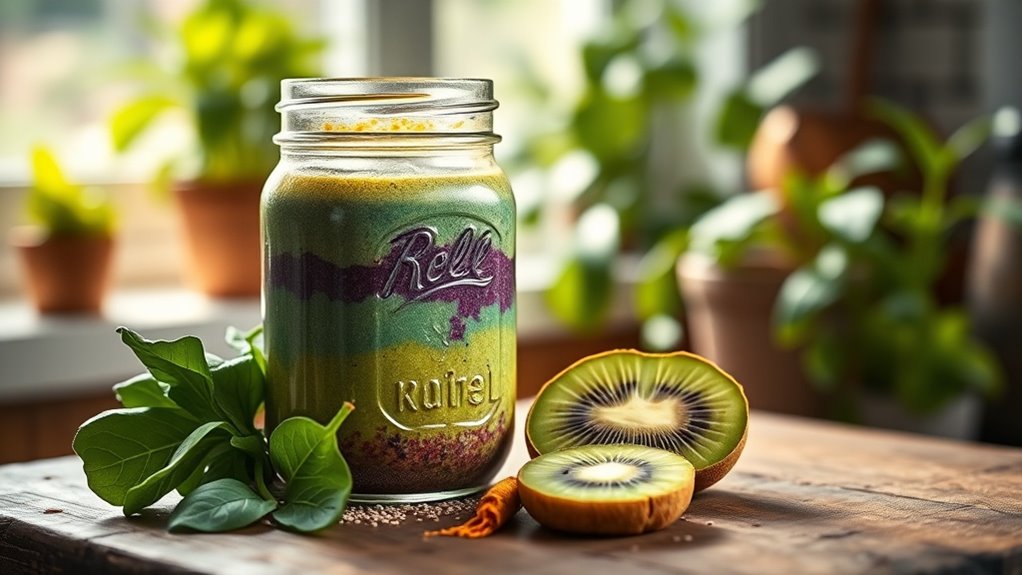
Want to support hormonal balance with your smoothies? You’ll evaluate ingredients for evidence-backed effects rather than miracle claims. Synthesize nutrients known to influence endocrine processes with practical, real-world considerations. You’ll focus on consistency, portion control, and overall dietary patterns rather than single-food fixes. In this approach, brain chemistry and smoothie timing matter less as abstract concepts and more as tangible variables you can adjust to support stable mood, energy, and metabolic signaling.
First, choose base ingredients that provide steady energy without excessive sugar spikes. Include a source of protein or healthy fats to blunt rapid carbohydrate absorption, which can influence insulin responses linked to hormone regulation. Unsweetened yogurt, cottage cheese, kefir, or a scoop of plant-based protein powder can help. Add fiber-rich vegetables or low-sugar fruits to enhance satiety and support gut health, a factor in enteroendocrine signaling that can affect hormone balance. If you use dairy, consider lactose tolerance and potential inflammatory responses; if plant-based, verify complete amino acid profiles when needed.
Next, incorporate micronutrients with plausible, evidence-based roles in hormone regulation. Include sources of magnesium, zinc, vitamin D, and B vitamins when nutrition status supports it. Leafy greens, seeds, and nuts contribute magnesium and zinc, while fatty fish or fortified alternatives support vitamin D. B vitamins can be supplied by whole grains, legumes, or fortified ingredients. Use whole-food fats like avocado, olives, or chia to provide essential fats necessary for steroid hormone synthesis. Avoid relying on fortified powders alone; diversify in real foods where feasible.
Consider timing and sequencing of smoothies in your routine. Smoothie timing can influence postprandial responses that intersect with hormonal signals, particularly insulin, cortisol, and leptin. If you experience late-afternoon energy dips or morning cortisol peaks, you might adjust to a mid-morning or post-workout smoothie that pairs carbohydrates with protein and fat to moderate glycemic response. Plan around meals rather than replacing them entirely; occasional smoothies can complement overall intake without compromising nutrient variety.
Texture and palatability affect consistency, which in turn supports sustained dietary patterns. Balance flavors and textures to reduce cravings for ultra-processed snacks. A harmonious blend—protein, fiber, fats, and a touch of natural sweetness from fruit—can promote longer satiety and a more stable endocrine milieu. Use fresh or frozen produce to preserve nutrient density, and limit added sugars or syrups that destabilize energy balance and hormonal signals.
Finally, monitor personal responses rather than chasing universal rules. If you notice digestive discomfort, skin changes, mood shifts, or sleep disruption after certain smoothie ingredients, reassess choices and consult a professional. Your goal is a practical, evidence-informed habit that supports hormone health through balanced nutrients, mindful timing, and consistent patterns.
Common Questions
Do These Smoothies Replace Medical Treatment for Hormonal Issues?
No, they don’t replace medical treatment for hormonal issues. You should see a clinician for a proper diagnosis and plan. A smoothie can support hormone balance as part of overall nutrition, not as a substitute. Be mindful of smoothie safety, ingredient interactions, and individual conditions. If you’re under treatment, consult your provider before making changes. Use balanced meals alongside any therapy, and monitor symptoms with your healthcare team.
Can I Drink These Smoothies Every Day Safely?
Yes, you can drink them daily, but not as a replacement for medical care. Keep daily hydration in mind and vary flavors to avoid monotony. While smoothies can boost nutrient intake, they won’t fix hormonal issues on their own; moderation matters. Monitor sugar content, portions, and any adverse reactions. If you have thyroid, adrenal, or fertility concerns, talk with a clinician before making them a staple. Balance with whole foods and evidence-based guidance.
Which Ingredients Affect Thyroid Function the Most?
Certain ingredients can influence thyroid function most: iodine-rich foods, selenium, zinc, and critical goitrogen-containing items. In general, thyroid balancing benefits come from thyroid supporting vitamins and mineral rich foods rather than any single smoothie component. Moderate intake of cruciferous vegetables is fine if you’re not iodine deficient. Avoid excessive soy and processed foods. If you have thyroid disease, consult a clinician, and tailorDiet to your labs, ensuring thyroid supporting vitamins contribute alongside mineral rich foods.
Do Smoothies Boost Fertility Hormones Quickly?
Smoothies don’t instantly boost fertility hormones. You might notice gradual changes as you support overall nutrition, sleep, and stress management. For best results, focus on balanced iron intake and thyroid-supporting nutrients, and track how your body responds. Incorporate timing strategies for meals and fluids, since smoothie timing can influence hormonal response. Watch iron absorption and thyroid impact by pairing iron-rich foods with vitamin C and avoiding excess goitrogens. Stay evidence-based and patient.
Are There Side Effects From High-Iron Smoothies?
Yes, there can be side effects from high-iron smoothies. You might experience iron overload symptoms if you consistently exceed needs, and you could risk nausea, constipation, or abdominal pain. Also watch supplement interactions, since iron can affect the absorption of other nutrients and medications. If you’re concerned, monitor ferritin levels and discuss possible interactions with your clinician. Adjust portions and ingredients to avoid excess iron, and prefer whole-food sources over concentrated supplements.