
You’ll often see horny goat weed paired with ginseng, maca, or Tongkat ali, chosen to support energy, nitric oxide signaling, and hormonal balance. Evidence varies in quality, so focus on transparent labels, standardized extracts, and conservative dosing. Start modestly and monitor effects, especially if you have cardiovascular concerns or take medications. This approach raises practical questions about interactions and long‑term safety that merit careful consideration. Let’s explore how to weigh these combinations thoughtfully.
Key Points
- Common pairings with horny goat weed include ginseng, maca, and tongkat ali to support energy and sexual performance.
- Ginseng and horny goat weed are often combined for perceived synergistic effects on stamina and libido.
- Maca paired with horny goat weed is marketed to boost sexual function and vitality, with mixed evidence.
- Tongkat ali is another frequent companion ingredient, aiming to enhance testosterone-related benefits.
- When evaluating pairs, prefer transparent labels, standardized extracts, and evidence from peer-reviewed studies.
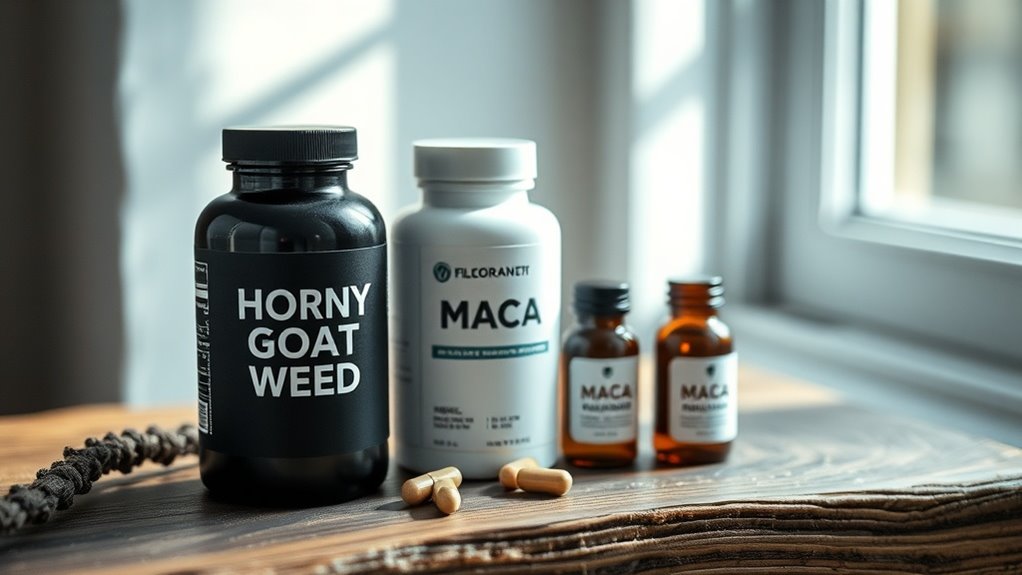
Supplements commonly paired with horny goat weed are often used to support sexual health and energy, but choosing effective combinations requires careful consideration of evidence and safety. You’ll want to examine how these pairs interact in ways that could enhance sexual function, while also minimizing risks. The concept of herbal synergy matters here: certain botanicals may complement horny goat weed by supporting blood flow, hormonal balance, or nitric oxide pathways, potentially producing a more robust effect if the combination is scientifically plausible and well tolerated. Yet, synergy isn’t guaranteed; it requires compatible mechanisms and appropriate dosing to avoid counterproductive interactions or intensified side effects.
You’ll typically encounter combinations that include ginseng, maca, or tongkat ali, each touted for energy and performance support. The evidence base varies: some randomized trials suggest modest improvements in sexual function for men with certain conditions, while others show limited benefit or inconsistent results. When evaluating these pairs, you should consider study quality, population characteristics, dosages, and duration. Practical use hinges on selecting products with transparent ingredient lists, standardized extracts, and reputable manufacturing practices, plus clear labeling of milligram amounts and percent active constituents.
Side effects management is a central concern. Horny goat weed itself can cause headaches, dizziness, or heart rate changes in sensitive individuals, and adding other stimulants or vasodilators may amplify these risks. If you’re considering a combination, start with conservative doses and monitor your response, especially if you have cardiovascular concerns, consume medications that affect blood pressure, or have a history of hormone-sensitive conditions. You should avoid products that promise dramatic, rapid gains or rely on proprietary blends without disclosed constituents, since these can obscure potential risks.
To evaluate a given pairing, you’ll look for evidence of additive or synergistic benefits supported by peer-reviewed research, preferably in populations similar to yours. You should also assess potential interactions, including increased bleeding risk with anticoagulants, blood pressure variability, or unwanted hormonal effects. If a product lists multiple botanicals, cross-check for known adverse interactions among them and with any prescription medications you take. In practice, you’ll prioritize combinations with demonstrated tolerability, clearly defined dosing ranges, and a risk profile that aligns with your health status.
Common Questions
Do These Combinations Have Proven Effectiveness?
Yes, these combinations have mixed, not proven, effectiveness. You’ll find modest, inconsistent results in some studies, but robust, reproducible benefits are lacking. Two word discussion ideas: combined efficacy. When you assess products, look for well-conducted trials and transparent dosing; many supplements rely on low-quality data or surrogate endpoints. You should approach with caution, recognizing placebo effects and potential interactions. Overall, expect uncertain, variable outcomes rather than reliable, universal improvements in performance or libido.
Are There Any Dangerous Interactions to Watch For?
One interesting statistic: about 30% of adults report using supplements alongside prescription meds, signaling potential interactions you should take seriously. Yes, there are dangerous interactions to watch for. You should consider interactions with anticoagulants, liver toxicity concerns, combinations with antidepressants, and blood pressure risks. If you take anticoagulants or antidepressants, consult a clinician before combining with any herb or supplement. Monitor liver function tests if you add new products, and report unusual bleeding, bruising, or BP changes promptly.
What Are Safe Dosage Ranges for Pairings?
Safe dosage ranges vary by supplement and individual, so you should consult a clinician. Generally, avoid combining Horny Goat Weed with other stimulants or prescription PDE5 inhibitors without guidance. Herbal interactions can alter effects or increase risks, especially in older adults or those with heart conditions. Safety considerations include starting with the lowest effective dose, monitoring for headaches, dizziness, or drops in blood pressure, and stopping if adverse effects occur. Always check product quality and labels.
Can These Supplements Affect Fertility or Libido?
Yes, these supplements can affect fertility or libido, though effects vary. You should consider supplement safety and seek medical advice if you have fertility concerns. Some ingredients may influence hormonal balance, sperm quality, or sexual function, while others have minimal or uncertain effects. Always review labels for interactions and dose ranges with current medications. If you notice changes in libido or fertility indicators, discontinue use and consult a clinician to assess risks and adjust your plan.
Do Insurance or Costs Cover Combined Use?
Do insurance typically don’t cover supplements for sexual health, and costs vary widely; combined use isn’t commonly covered, and coverage is rare. You should check your plan’s prescription benefit and any “medical foods” or OTC allowances, but expect most expenses to fall on you. While evidence on effectiveness is mixed, you’d better document medical necessity where possible and compare prices. If you pursue this, ask about discounts, bundles, and reputable brands to manage costs.