
You can support strong male circulation by prioritizing foods that boost endothelial function and reduce inflammation, like citrus and berries for flavonoids and vitamin C, leafy greens with nitrate-linked NO production, and fatty fish or flaxseeds with olive oil and avocados for omega-3s and healthy fats. Pair these with lean proteins, whole grains, and adequate hydration, while avoiding smoking and excess salt. Start with small, consistent dietary changes and see how your vascular health responds.
Key Points
- Citrus and berries provide flavonoids and vitamin C to support endothelial health and improve vascular function.
- Leafy greens and cruciferous vegetables supply nitrates that enhance nitric oxide and arterial flexibility.
- Fatty fish, flaxseeds, and walnuts deliver omega-3s and monounsaturated fats to improve lipid balance and arterial stiffness.
- Plant-based proteins and moderate red meat intake support anti-inflammatory status and capillary health through minerals like iron and zinc.
- Whole grains, hydration, and balanced sodium support stable glucose, blood pressure, and overall circulation alongside exercise and sleep.
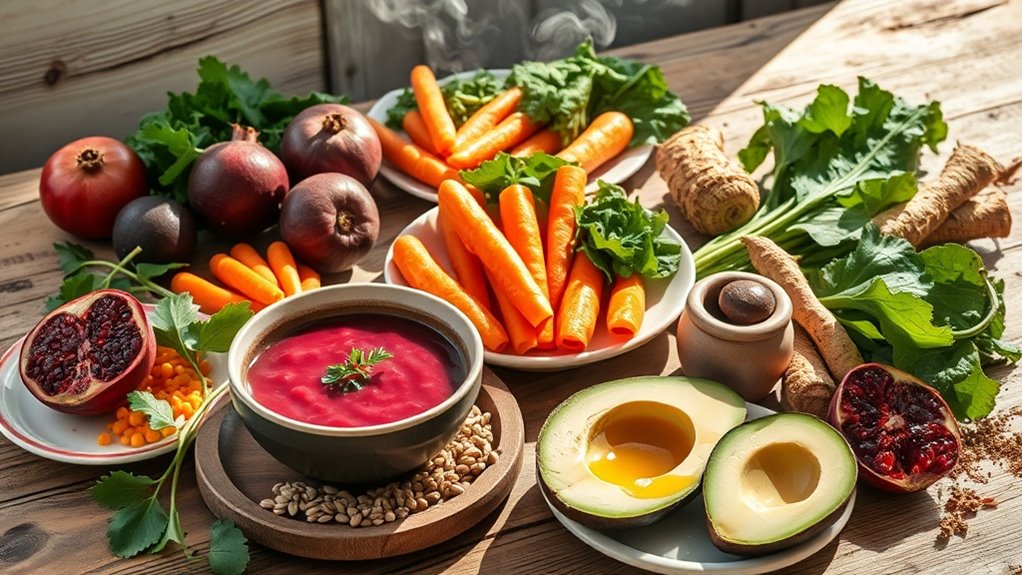
Bad circulation can affect energy, stamina, and overall health, but the right foods can support cardiovascular function and blood flow. When you’re focused on male circulation, you want real, data-driven guidance you can apply at meals. The most compelling evidence highlights foods that improve endothelial function, reduce inflammatory markers, and support arterial mobility. You’ll notice meaningful changes when you prioritize nutrients with proven associations to artery health and brain boosting effects, like nitrates, polyphenols, omega-3s, fiber, and minerals.
Bad circulation responds to data-driven, meal-level guidance that supports endothelial health, nitric oxide, and arterial mobility.
You start with citrus and berries: their flavonoids and vitamin C help maintain vessel tone and prevent oxidative damage. Regular intake correlates with lower blood pressure and improved endothelial-dependent dilation, which translates to more consistent blood flow during activity. In practical terms, aim for at least two servings daily of citrus or berries, or a combined equivalent from other fruit groups. Next, leafy greens and cruciferous vegetables supply nitrates that convert to nitric oxide, a signaling molecule that relaxes arteries and reduces systolic pressure. This mechanism supports both heart function and brain perfusion during demanding tasks. Pair greens with peppers, garlic, or beets to maximize nitrate-based benefits.
Healthy fats matter for artery health and overall circulation. You’ll get substantial omega-3s from fatty fish like salmon, sardines, and mackerel, and from flaxseeds or walnuts if you don’t eat fish. Meta-analyses show reduced triglycerides, modest blood pressure reductions, and improved arterial stiffness with regular omega-3 intake. Use oil-based dressings containing extra-virgin olive oil and incorporate avocados for monounsaturated fats that support lipid balance. Inflammation is a key driver of impaired circulation, so lean toward minimally processed fats and avoid excessive saturated fats from processed meats and fried foods.
Protein choices influence flow, too. Opt for high-quality sources with favorable nitrogen balance and anti-inflammatory properties, such as legumes, beans, and fish. Plant-based proteins bring fiber and polyphenols that support gut microbiota and systemic inflammation, both relevant to vascular health. If you include red meat, keep portions moderate and select lean cuts, focusing on frequency rather than quantity. Iron and zinc play supporting roles in muscle function and capillary health; include fortified grains, shellfish, and lean poultry to maintain essential mineral balance.
Whole grains contribute fiber and stable glucose responses, reducing post-meal glucose spikes that can impair vascular function. Include oats, quinoa, barley, or brown rice as part of regular meals. Hydration and sodium balance matter too: moderate salt intake supports blood pressure control without provoking compensatory fluid retention. Finally, lifestyle context matters. You’ll maximize brain boosting benefits and artery health by combining these foods with physical activity, adequate sleep, and smoking avoidance. Consolidating evidence from randomized trials and cohort studies, this approach supports stronger circulation, better stamina, and improved overall health.
Common Questions
Do These Foods Work Immediately for Circulation Improvement?
No, these foods don’t cause instant cures or rapid blood flow myths to vanish overnight. You might see modest, gradual improvements with consistent, evidence-based habits, but immediate results are unlikely. If you’re pursuing curing erectile issues, focus on long-term patterns: balanced nutrition, exercise, sleep, and stress management. In a data-driven view, dietary changes can support circulation over weeks to months, not minutes. Do consult a clinician for personalized guidance and safe, effective strategies.
Are Supplements Needed Alongside These Foods?
No, supplements aren’t strictly required, but they can help if you’re not reaching recommended intakes. You should align supplement timing with meals and activity, and monitor daily dosing to avoid excess. Imagine a steady, data-driven flow: you eat for nerve- and vessel-support, then supplements fill gaps where your diet falls short. Evidence suggests modest gains when combined, not in isolation. Track outcomes, adjust, and prioritize whole foods first.
Can I Eat These Foods Daily Without Side Effects?
Yes, you can eat these foods daily, but watch portions and variety to minimize potential side effects. Rely on evidence showing most people tolerate balanced intake well; excessive reliance on any single item may cause digestive issues or nutrient imbalances. If you have allergies, medications, or chronic conditions, consult a clinician. Track how you feel, and adjust. In short, foods daily are fine for many, yet side effects can occur with overconsumption or interactions.
Do These Foods Affect Overall Heart Health?
Yes, these foods can support heart health, but effects vary by portion and overall diet. You’ll want to contemplate heart healthy myths and timing effects, as benefits depend on consistent patterns of intake rather than single meals. Picture your arteries clearing with every balanced bite; evidence shows modest, real improvements when you combine fiber, healthy fats, and low sodium. Rely on data, not hype, and monitor blood pressure, cholesterol, and weight to gauge impact.
Which Meals Best Combine These Circulation Foods?
Yes, some meals mix these circulation foods best: you should aim for brain boosting meals that also support vascular flow, like salmon with leafy greens and olive oil, or oats topped with berries and walnuts. For circulation boosting combos, pair citrus with iron-rich foods and add garlic or turmeric for anti-inflammatory effects. Use lean protein, whole grains, and vegetables to sustain endothelium health, study-reported benefits, and daily variety for consistency.