
Stress elevates energy mobilizers like cortisol but, when chronic, it erodes tissue quality and blunts testosterone signaling, undermining strength, recovery, and daily vigor. You’ll notice sleep quality and autonomic balance matter as much as workouts. This isn’t just mood either—body composition, libido, and performance shift with stress load and recovery. If you’re aiming for stable vitality, you’ll want concrete strategies to monitor and modulate these pressures, before subtle declines compound. The key lies in disciplined management that reveals what’s possible next.
Key Points
- Stress actively drives male vitality, affecting performance, recovery, and daily functioning via neuroendocrine pathways.
- Cortisol rises with stress, mobilizing energy but depleting tissue quality and testosterone signaling over time.
- Sleep quality moderates stress impact; poor sleep amplifies cortisol and impairs hormonal recovery and vigor.
- Practical strategies include tracking stress, balancing training with recovery, and using breathing or mindfulness to reduce load.
- Monitoring resting heart rate, sleep data, and perceived exertion helps adjust lifestyle and training to protect vitality.
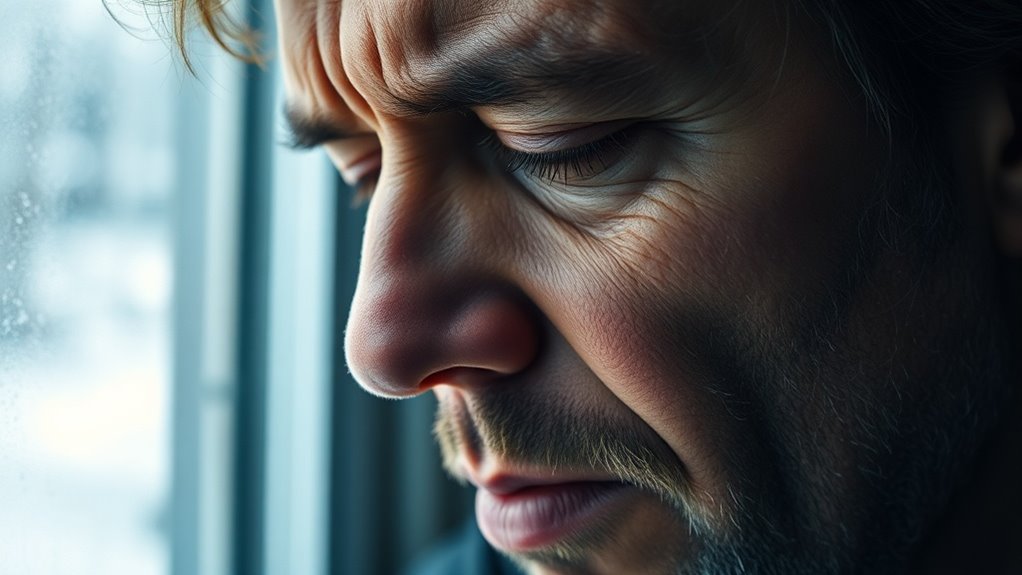
Stress is more than a momentary feeling—it’s a measurable driver of male vigor. You’ll notice that even when you feel steady, your body tracks stress through physiological signals that influence performance, recovery, and daily function. In clinical terms, stress modulates neuroendocrine pathways, affecting systems that govern energy, mood, and sexual function. You’re not imagining the connection; repeated or chronic stress can reconfigure autonomic balance, shifting toward sympathetic dominance and altering how you experience exertion, sleep, and motivation. The evidence shows that stress isn’t an empty byproduct of life—it’s an active variable in male vitality.
Stress is a measurable driver of male vitality, shaping performance, recovery, and daily function.
When stress spikes, your hypothalamic-pituitary-adrenal axis releases cortisol as a primary response. Cortisol helps you mobilize energy for immediate demands, but chronically elevated levels can erode tissue quality, impair glucose regulation, and dampen testosterone signaling. You may notice slower muscle recovery, reduced training gains, and a tighter ceiling on performance. This isn’t about a single bad day; it’s about the cumulative load that shifts physiology away from optimal function. The literature supports a dose-response pattern: higher perceived stress correlates with lower functional capacity and diminished sleep-driven restoration. You’ll benefit from recognizing that stress management isn’t optional—it’s a determinant of how you recover and perform.
Sleep quality serves as a critical moderator in this dynamic. You’ll observe that restless nights or fragmented sleep amplify cortisol spikes, perpetuating a cycle of reduced vigor. Sleep duration and sleep architecture matter: insufficient REM and deep sleep limit hormonal recovery, impede nitric oxide signaling, and blunt daytime alertness. Conversely, restorative sleep cushions the stress response, lowering basal cortisol and facilitating better testosterone-to-cortisol ratios during the day. In practical terms, prioritizing consistent sleep-wake times, optimizing sleep environment, and addressing sleep-disordered breathing can measurably improve vitality metrics. You’re aiming for a regime that supports a balanced autonomic tone and resilient recovery.
Direct strategies emerge from the evidence: quantify stress exposure with brief assessments, incorporate regular physical activity with recovery emphasis, and embed stress-reduction techniques that suit you—breathing regulation, mindfulness, or brief interludes of recovery in your day. Nutrition and hydration matter; excessive caffeine and alcohol can compound cortisol fluctuations and disrupt sleep. You’ll want to align training intensity with your current stress burden, periodizing workload to protect hormonal health and sleep quality. Monitoring signals like resting heart rate, perceived exertion, and sleep data helps you adjust before fatigue becomes functional decline.
Common Questions
Can Stress Affect Fertility Beyond Immediate Performance?
Stress can affect fertility beyond immediate performance. In fact, about 19% of men with chronic stress show reduced sperm concentration over time. You should know that stress hormones can disrupt spermatogenesis and testosterone signaling, potentially influencing long term health. If you’re facing ongoing stress, you may see declines in fertility markers that persist beyond acute episodes. Seek clinical assessment to monitor semen quality and hormonal balance, addressing stress, lifestyle, and underlying health for better outcomes.
Do Stress Effects Differ by Age or Health Status?
Yes, stress effects can differ by age differences and health status. In younger men, acute stress may transiently impair performance, while older or medically burdened individuals show longer recovery and greater risk of hormonal disruption. Poor health amplifies hormonal and cardiovascular responses, potentially worsening vitality. Evidence suggests cumulative stress and chronic conditions exacerbate negative outcomes. You should consider individualized assessment, stress-management strategies, and medical follow-up to mitigate age- and health-related vulnerabilities. Maintain sleep, exercise, and coping routines.
Can Stress-Related Impairment Be Reversed Quickly?
Stress-related impairment isn’t typically reversed instantly; you may notice improvements within days to weeks with targeted actions. Recovery timelines depend on sleep, nutrition, stress management, and underlying health. Rapid reversal factors include consistent exercise, cognitive-behavioral strategies, and minimizing substances that worsen symptoms. You should consult a clinician if issues persist, as personalized plans often accelerate recovery. Monitor progress weekly, adjust habits, and rely on evidence-based approaches to support sustainable improvement in vitality and function.
What Lifestyle Changes Best Reduce Stress-Related Vitality Issues?
You should prioritize consistent sleep quality and strong social connection to reduce stress-related vitality issues. Regular, restful sleep improves hormonal balance and energy, while maintaining social connection buffers stress responses. Combine physical activity with mindfulness or cognitive-behavioral strategies to lower cortisol. Limit caffeine late in the day, eat balanced meals, and optimize daytime light exposure. Track changes over 4–6 weeks, and consult a clinician if symptoms persist or worsen.
How Do Medications Interact With Stress and Sexual Function?
Medication interactions can affect sexual function, sometimes enhancing or dampening desire and performance, depending on the drug and individual response. You’ll notice effects vary with antidepressants, anticoagulants, and antihypertensives, among others. Juxtaposition: relief from anxiety vs. new sexual side effects, clarity vs. distraction. Clinically, assess timing, dose changes, and alternative therapies. If you’re concerned, consult your provider about adjustments, alternatives, or adding therapy to minimize impact on sexuality while maintaining overall health. Evidence supports careful monitoring and personalized plans.