
Like a stubborn statistic, aging quietly reshapes your strength and function. You’ll find that resistance training with progressive overload can counter muscle loss, boost protein synthesis, and improve gait and balance. Adequate, high-quality protein across meals supports lean mass, even with anabolic resistance, while recovery and sleep shape the gains. Health conditions and consistency matter, so you’ll want to pair training with medical guidance when needed. The path forward is practical—and it may surprise you where it leads.
Key Points
- Aging reduces muscle mass and strength, altering function, speed, and recovery after exertion.
- Anabolic resistance makes protein harder to use, increasing daily protein needs for old adults.
- Protein quality, timing, and total daily dose are crucial to preserve lean mass and repair.
- Resistance training with progressive overload best combats age-related declines in function.
- Consistent training plus adequate protein improves gait, balance, and daily living activities, aided by overall health.
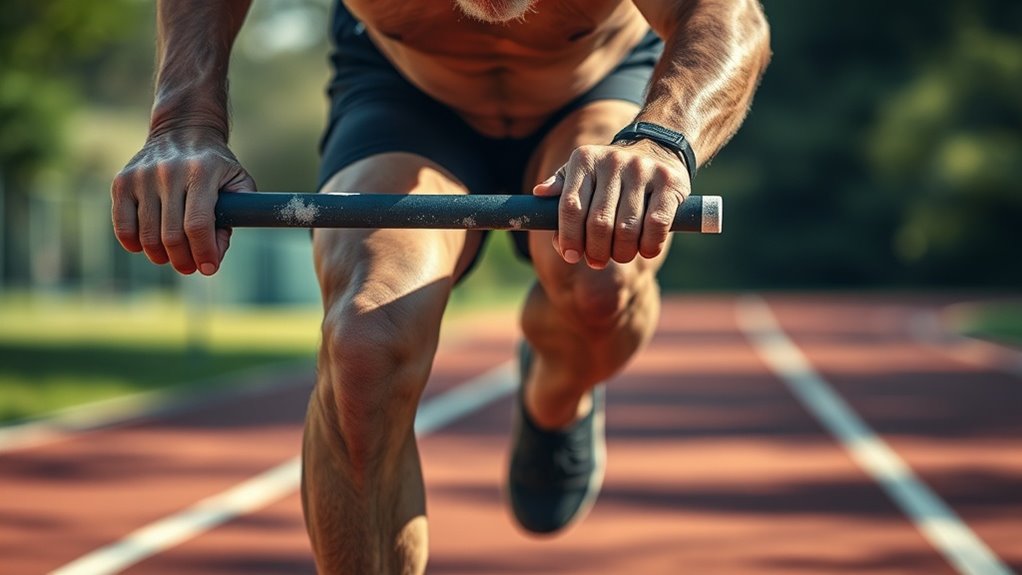
As we age, muscle mass and strength gradually decline—a process influenced by biology, activity, and health status. You may notice reduced functional capacity in everyday tasks, slower reaction times, and prolonged recovery after exertion. The aging muscle undergoes changes at multiple levels: motor unit remodeling, fiber-type shifts, and impaired satellite cell activity, all of which contribute to reduced force production. Yet the trajectory is not uniform; lifestyle factors determine the rate and extent of decline. Understanding these determinants helps you tailor interventions that preserve function and independence.
Protein loss accumulates with age due to alterations in muscle protein synthesis and breakdown. You might see reduced anabolic responsiveness to meals or exercise, a phenomenon known as anabolic resistance. Nevertheless, you retain the capacity to adapt when you consistently stimulate synthesis pathways through nutrition and activity. Adequate protein intake, distributed across meals, supports maintenance of lean mass and supports repair processes after daily stresses. You should consider protein quality, timing, and total daily dose in the context of your energy needs and medical status. When digestion or absorption is compromised, you may require adjustments in protein source or supplementation under professional guidance.
Protein needs rise with age, yet anabolic resistance persists; prioritize quality, timing, and total daily intake.
Resistance training stands out as the most effective intervention to counter muscle decline in older adults. You benefit from progressive overload, adequate volume, and frequency that align with your recovery capacity. Training induces muscle protein synthesis, promotes neural adaptations, and improves intramuscular quality. You don’t need to push to failure every session; instead, you should aim for consistent, measurable progress over weeks and months. Training should emphasize compound movements that recruit large muscle groups, complemented by targeted work to address any weaknesses or imbalances. Recovery, sleep, and joint health influence the magnitude of gains you can sustain, so program design must respect these limits while maintaining progression.
Clinical evidence shows that combining resistance training with adequate protein intake yields superior outcomes compared with either strategy alone. You should monitor for adverse events, adjust based on comorbid conditions, and seek professional oversight if you have chronic illnesses or significant functional limitations. In addition to muscle strength, improvements extend to gait speed, balance, and instrumental activities of daily living, which collectively reduce disability risk and enhance quality of life. Your long-term trajectory hinges on consistency, appropriate progression, and attention to overall health factors such as inflammation, insulin sensitivity, and cardiovascular status.
Common Questions
What Causes Muscle Loss as We Age Beyond Natural Aging?
You lose about 3–5% of muscle mass per decade after 30, and by 80, you may have 20–30% less. Cause? muscle fiber aging and anabolic resistance reduce protein synthesis in response to food and resistance training. You’ll see fewer fast-twitch fibers and impaired satellite cell activity, plus hormonal shifts and inflammation. But you can counter with progressive resistance, higher protein intake, and targeted recovery to limit decline and maintain function.
Can Workouts Reverse Age-Related Muscle Decline Completely?
Workouts can’t completely reverse age-related muscle decline. You can, however, slow and partly reverse it with evidence-based training. Aging myths aside, resistance and progressive overload improve strength, power, and mass in many individuals, though training benefits may plateau due to genetics, comorbidities, and Training limitations. Consistency, adequate protein, and recovery matter as much as intensity. So, you’ll improve substantially, but expect diminishing returns rather than a perfect reset.
Do Supplements Effectively Prevent Sarcopenia in Older Adults?
Supplements can help, but they don’t prevent sarcopenia on their own. Their efficacy depends on type, dose, timing, and your overall diet and activity. Evidence suggests some nutrients support muscle health when combined with resistance training, yet no supplement guarantees sarcopenia prevention. You should discuss personalized options with a clinician, focusing on protein adequacy, vitamin D, omega-3s, and evidence-based formulations to maximize supplementation efficacy alongside exercise.
How Soon Can One Expect Noticeable Muscle Gains After Training?
You’ll likely see initial strength gains within 2–6 weeks of training, with noticeable muscle size changes typically after 6–12 weeks, depending on intensity and consistency. Fasting effects can influence perceived progress, but adequate protein and progressive overload drive gains. Prioritize sleep quality, as poor sleep blunts recovery and hypertrophy. Track weekly progress, adjust variables gradually, and avoid overtraining to optimize muscle gains while maintaining safety and metabolic health.
Is Muscle Decline the Same in Men and Women?
Yes, aging is not identical by sex, though patterns overlap. You’ll notice hormonal changes—like testosterone and estrogen shifts—shape muscle decline differently in men and women. Evidence shows sex-specific rates and preserved strength hinges on activity, nutrition, and overall health. You can mitigate differences by resistance training, adequate protein, and managing comorbidities. In short, aging interacts with sex, but decline isn’t predetermined; your training response matters, and personalized plans optimize outcomes. Stay consistent and monitor hormonal health.