
Did you know that men who optimize hydration can maintain plasma volume and heat tolerance better during workouts and heat exposure? When you prioritize fluids, you support cardiovascular efficiency, sharper thinking, and steadier energy levels across long days. You’ll also help with muscle function and electrolyte balance, which matters for performance and recovery. Stay with this thread to see practical habits that keep you hydrated without disrupting your routine.
Key Points
- Proper hydration supports blood volume and circulation, aiding endurance and cardiovascular efficiency during activity.
- Steadier energy and clearer thinking emerge from stable hydration and prevention of dehydration-related headaches.
- Fluids and electrolytes optimize muscle function and metabolism, improving performance and recovery.
- A consistent daily hydration plan maintains plasma volume, kidney function, and overall fluid balance in varying climates.
- Practical routines (meals with fluids, gradual intake, thirst cues) help sustain motivation, mood, and sustained activity levels.
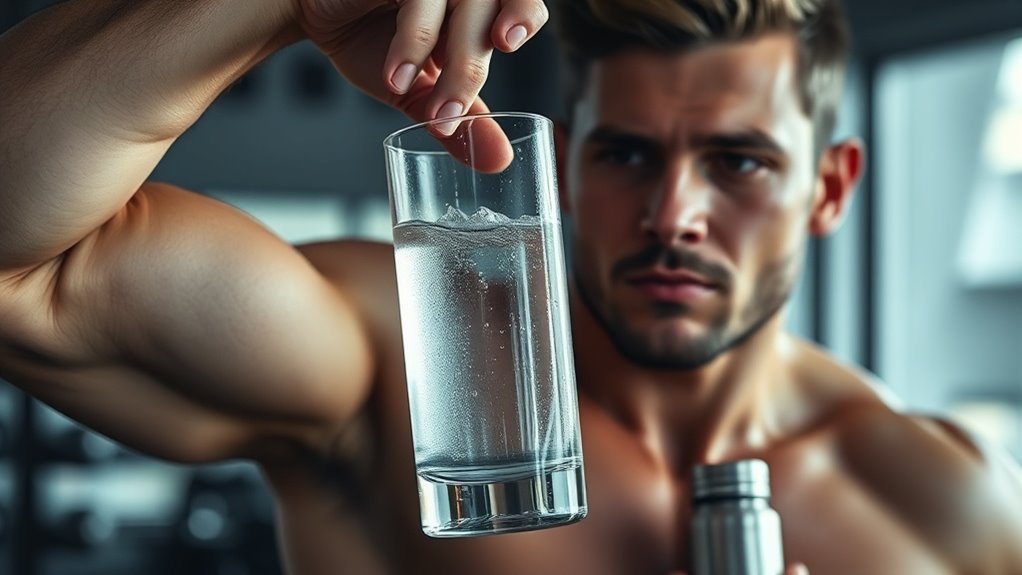
Hydration isn’t just about quenching thirst—it’s a daily habit with tangible benefits for men’s health. When you prioritize hydration, you support your body’s hydration physiology, which governs how fluids move, balance, and function across your cells, organs, and tissues. You’ll notice steadier energy, clearer thinking, and better physical performance as your body maintains plasma volume, regulates temperature, and supports cardiovascular efficiency. Your kidneys rely on adequate fluid intake to filter waste and sustain electrolyte balance, reducing strain during long workdays or workouts. In practical terms, this means you may experience fewer headaches, less fatigue, and more consistent stamina throughout the day.
Hydration fuels steady energy, clarity, and performance by supporting plasma volume and kidney function.
You’ll also influence your metabolic processes by aligning daily fluid intake with activity levels, climate, and body size. When you sweat during workouts or heat exposure, you lose both water and electrolytes; meeting those needs with water and, if needed, electrolyte-rich beverages helps sustain muscle function and cognitive sharpness. Clear urine isn’t a perfect gauge, but routinely staying hydrated supports a more stable hormonal and nervous system environment, which can affect mood, sleep, and motivation. If you’re chasing muscle gains or fat loss, proper hydration supports protein synthesis and fat metabolism indirectly by optimizing cellular function and energy production.
Your daily routine matters. Start with a baseline target that suits you, then adjust for exercise intensity, heat, and dietary salt. A practical approach is to track daily fluid intake and set a realistic goal, such as a modest increase when you’re active or in warm climates. Hydration physiology emphasizes that total body water isn’t created equal across tissues, so spreading intake through the day helps maintain steady plasma volume and tissue hydration. This reduces the risk of dehydration-related performance drops and supports recovery by preserving nutrient transport and waste removal.
You’ll benefit from a combination of water and food-based hydration. Many meals contribute significant fluids, minerals, and electrolytes that support balance. If you train or work outdoors, consider a small, consistent intake pattern rather than large, sporadic amounts. This keeps kidneys engaged and avoids stressing renal function with sudden shifts in volume. For most men, a practical target is roughly 2 to 3 liters of fluid daily, adjusted for body size, activity, and climate, but listen to your thirst cues and urine color as supplementary guides.
Maintaining consistent hydration isn’t about perfection—it’s about reliable patterns that support daily functioning, performance, and long-term health. By prioritizing hydration physiology and daily fluid intake, you establish a foundation that helps you perform, recover, and feel more in control throughout your day.
Common Questions
How Much Water Should Men Drink Daily for Optimal Hydration?
You should aim for about 3.7 liters (roughly 125 ounces) of total daily water if you’re active or live in a hot climate, with about 2.7 liters (91 ounces) from beverages. Your needs vary, so adjust for exercise, sweat, and meals. Don’t chase hydration myths; prioritize hydration daily, tracking your daily water targets and adjusting as needed. If you’re thirsty, drink—but don’t overdo it to avoid hyponatremia.
Does Hydration Affect Testosterone Levels or Mood in Men?
Coincidence nudges you: when you prioritize hydration, mood can improve and you may notice steadier energy. Yes, hydration mood and testosterone impact exist, but effects are modest. Staying well hydrated supports blood flow and brain function, which helps mood; dehydration can raise cortisol, potentially dulling mood. Testosterone effects are indirect—adequate fluids aid overall function, but hydration alone doesn’t spike testosterone. Keep steady water intake for best overall well-being and performance.
Can Excessive Water Intake Be Harmful for Men?
Yes, excessive water intake can be harmful for you. Drinking too much water can cause hyponatremia, diluting electrolytes and leading to headaches, confusion, or seizures. To stay safe, follow thirst cues and any medical guidance, especially if you have kidney or heart conditions. Be mindful of hydration myths that push oversized doses. Prioritize proper hydration rather than chasing extreme targets, and always consider water safety in your routine.
Does Hydration Influence Athletic Performance in Endurance Sports?
Yes — hydration positively influences endurance in athletes. You’ll sustain power, delay fatigue, and maintain cognitive focus when fluid balance effects are favorable. You should monitor body weight, thirst, and urine color to gauge intake during long events. Stay mindful of overhydration risks, but don’t neglect electrolytes. In endurance sports, consistent hydration supports performance by preserving plasma volume and thermoregulation, with fluid balance effects shaping your comfort and results. Remember: smart hydration matters. (Note: the anachronism is used at start.)
Are Caffeinated Beverages as Hydrating as Plain Water for Men?
Yes, caffeinated beverages aren’t as hydrating as plain water, but they still contribute to daily fluid intake. You’ll get hydration benefits, though caffeine tradeoffs—potential jitteriness or disrupted sleep—may matter if you drink large amounts. Relying on caffeinated drinks isn’t a full substitute for water, especially during endurance activity. Be mindful of hydration misconceptions: balance fluids with plain water, monitor your body’s signals, and adjust caffeine intake based on tolerance and exposure.