
Balance training boosts confidence by giving you quick mood boosts through steady breathing and small wins as your balance steadies. You feel more in control with each successful hold or smooth recovery, which signals your nervous system that movement is possible again. Everyday tasks become more manageable, reducing fear and stiffness. With mindful pacing and clear posture goals, you build endurance and clarity—and a sense of safety that may change how you approach the next step you take.
Key Points
- Quick balance challenges boost mood and confidence by restoring control and increasing alertness through steady breathing.
- Practical balance activities provide small wins, reinforcing a sense of capability and self-efficacy in daily life.
- Endurance in balance tasks reduces fear of falling, supporting steadier movement and greater task confidence.
- Neural and cognitive gains from balance work enhance motor planning, proprioception, and attention, boosting overall confidence in movement.
- Mindfulness integration and progressive practice unify breath, body awareness, and alignment, reinforcing confidence with safer, controlled progression.
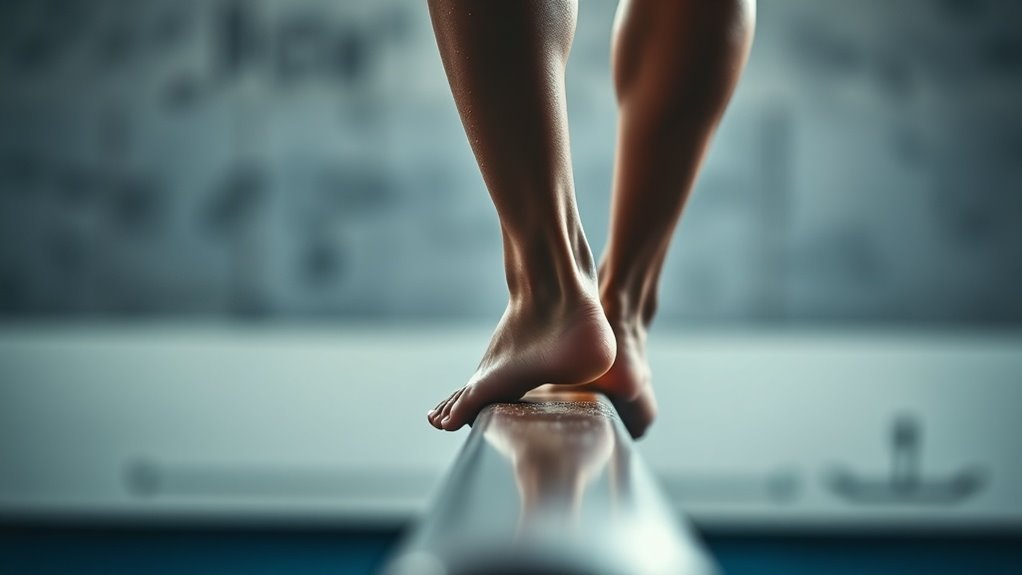
Have you ever noticed how a quick balance challenge can shift your mood and confidence in the same moment? You likely feel a surge of alertness, a steadier breath, and a small sense of accomplishment as you regain control. This isn’t magic; it’s your nervous system responding to a simple, controlled task. Balance training doesn’t require hours in a gym or fancy equipment. It starts with practical moves you can weave into daily routines: single-leg stances, toe-to-heel walks, or standing on a wobble cushion for short bouts. Each moment you maintain or regain equilibrium, you send your brain a signal that you’re capable, and your mood follows.
Balance challenges boost mood and confidence in minutes, signaling capability and steady breath.
When you train balance, you’re not just stabilizing joints. You’re enhancing balance endurance—the capacity to sustain stable positions over time—and that endurance translates to everyday activities. You’ll notice tasks like reaching for a book, bending to tie a shoe, or stepping onto a curb feel more secure. This steadiness reduces fear of falling, which commonly fuels avoidance and stiffness. Over time, your posture grounding improves. By aligning your spine, engaging the core, and distributing weight evenly, you create a base that supports confident movement. This isn’t about perfection; it’s about consistent, progressive control.
Evidence supports that balance training strengthens neural pathways involved in motor planning, proprioception, and attention. You benefit from short, regular sessions that challenge stability in safe ways: eyes open and closed variations, changing surfaces, or adding light arm movements. Progress is visible in your daily life as you recover from small missteps more quickly and recover from slips with less hesitation. The confidence you gain comes from predictable responses: your body learns how to adjust posture, your feet adapt to slight shifts, and your mind trusts the process rather than catastrophizing.
To maximize benefits, couple balance work with mindfulness cues. Breathe steadily, inhale through the nose, exhale through the mouth, and scan for tension in the jaw, shoulders, and hips. If you notice fatigue or wobble, reset with a brief pause and restore alignment before continuing. Gradually increase difficulty by extending hold times, narrowing stance, or introducing dynamic movements after you build a foundation. The more you practice, the more your brain redefines what “stable” feels like, reinforcing confidence across tasks that once felt risky.
Common Questions
How Long Does Balance Training Take to Show Results?
“Time heals all wounds,” they say, and balance gains show gradually. You’ll likely notice improvements in 2–6 weeks with consistent practice. Your balance progression depends on frequency, technique, and progression. Start with safety guidelines and simple poses, then progress to harder challenges as you feel steadier. Track your steadiness, not just reps. If you stumble, reassess technique and rest as needed. Stay patient, practice weekly, and you’ll capture meaningful, evidence-based gains.
Can Beginners Safely Start Balance Training at Home?
Yes, you can safely start balance training at home as a beginner. Begin with simple, low-risk moves on stable surfaces, and progress gradually. Prioritize beginner home safety: use a chair or wall for support, wear non-slip shoes, and clear clutter. Focus on progression pacing—short sessions, steady reps, and careful form. If you feel dizziness or pain, pause and consult a professional. Evidence supports gradual loading and supervision for safer gains.
What Equipment Is Essential for Balance Training?
Essential footwear is vital and you’ll want supportive, non-slip shoes to prevent slips during balance work. The core stability you gain comes from simple tools like a balance pad or wobble board, plus a sturdy mat. For beginners, you can start with bodyweight moves and progress slowly. On average, 30 minutes of balanced routines three times weekly boosts proprioception and confidence. Keep sessions short, consistent, and focused on form, not speed or intensity.
Should Balance Training Replace Other Workouts?
Should balance training replace other workouts? Not entirely. You’ll benefit most by integrating balance training with your usual routine, rather than substituting it. Use balance work to complement other workouts, filling gaps in stability and proprioception, while continuing cardio, strength, and mobility sessions. This approach supports safer movement and steadier progress. If you’re limited on time, prioritize a short balance session after or between other workouts for ongoing improvements.
Is Balance Training Effective for All Ages and Abilities?
Balance training is effective across ages and abilities, though intensity should be tailored to you. Yes, you’ll see benefits in balance, mobility, and confidence as you age, with adaptations for strength and sight or vestibular limits. It supports balanced aging and agility benefits, helping you stay independent. You’ll progress safely by starting light, progressing gradually, and listening to your body. If you’re unsure, consult a professional to personalize drills for your situation.