
During stress cycles, your body prioritizes immediate survival, so hormones like cortisol and adrenaline shift energy away from sexual function and toward alertness. Acute stress can dampen interest, while chronic stress may reshape arousal and satisfaction through hormonal, neural, and psychological changes. Fatigue and worries further blur focus and desire, yet supportive routines and clear communication can moderate effects. If these patterns persist, you’ll want to explore coping strategies and consider how stress is shaping your intimate life, before they compound.
Key Points
- Stress hormones like cortisol and adrenaline shift energy and attention, redirecting resources away from sexual priority during stress cycles.
- Acute stress lowers sexual interest, while chronic stress can cause persistent changes in arousal, desire, and satisfaction.
- Autonomic nervous system changes and mood states interact with cognitive appraisal to modulate arousal in stressful moments.
- Relationship context, communication, and perceived support influence how stress affects libido and sexual response.
- Sleep, fatigue, and overall health mediate stress-related fluctuations in desire, arousal, and performance.
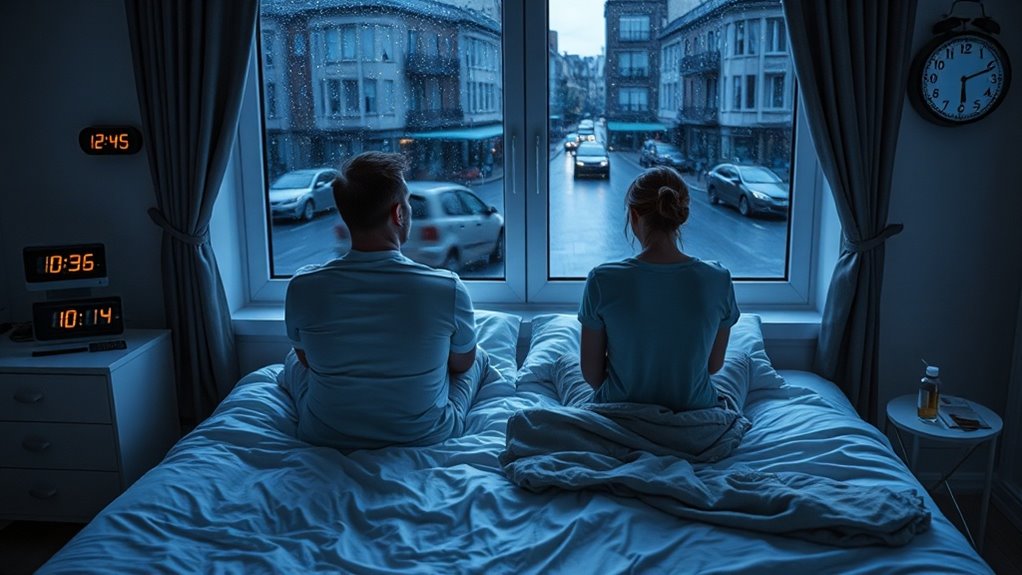
Stress and libido are closely linked through a network of hormones, nerves, and psychological factors, and fluctuations often occur in tandem with stress cycles. When you’re under pressure, your body shifts resources toward immediate survival and away from priority areas like sexual function. This isn’t about a simple on/off switch; it’s about a complex cascade where stress hormones, neurotransmitters, and mood states intersect with desire and arousal. You may notice libido fluctuations that track how long your stress lasts, how severe it feels, and how you interpret it emotionally. Evidence suggests that acute stress can temporarily dampen sexual interest, while chronic stress can contribute to more persistent changes in arousal, desire, and satisfaction.
In practical terms, you’re experiencing a negotiation between biological drive and cognitive appraisal. Stress hormones, such as cortisol and adrenaline, rise to mobilize energy and attention. These shifts can blunt sexual responsiveness, particularly if you’re fatigued, anxious, or preoccupied with problems. At the same time, your autonomic nervous system’s activation can either hinder or enhance arousal, depending on context, partner dynamics, and overall health. The relationship impact of stress isn’t only about biology; it’s also about communication, expectations, and emotional safety. If you’re worried about performance or feel detached from intimacy, you may notice stronger shifts in libido fluctuations, regardless of other factors.
From a research perspective, you’ll find that coping strategies influence outcomes. Mindful breathing, sleep optimization, and routine physical activity can help reduce baseline stress and restore baseline sexual function more quickly. In relationships, predictable routines, open dialogue, and nonjudgmental support may lessen the perceived impact of stress on desire. If you’re navigating heightened tension at work or home, consider small, concrete steps: scheduling time for closeness that isn’t performance-driven, sharing concerns with a partner, and setting boundaries to protect rest. These measures don’t guarantee immediate changes, but they can shift the balance toward a healthier response to stress hormones and arousal processes over time.
It’s important to acknowledge that not every fluctuation signals a problem. Libido fluctuations can reflect normal adaptive variation rather than pathology. However, if stress persists and you notice persistent decreases in desire, difficulty with arousal, or strain in your relationship, seeking guidance from a clinician or sex therapist can be helpful. They can assess underlying factors, including hormonal status, sleep quality, mental health, and relationship dynamics, and tailor coping strategies accordingly. By staying attuned to your body’s signals, communicating with your partner, and applying evidence-based approaches, you’ll better navigate how stress cycles influence libido and maintain a more stable sexual wellbeing.
Common Questions
How Long Do Stress-Related Libido Changes Typically Last?
Stress-related libido changes typically last days to weeks, but duration varies by individual. If stressors persist, effects may continue or recur. Short-term hormonal effects often resolve within a few days after stress reduction, though lingering fatigue and sleep disruption can extend them. Consider stress duration, coping strategies, and lifestyle factors. If changes persist beyond a few weeks, seek medical advice to rule out other causes. Evidence suggests transient hormonal effects, yet personal variability remains substantial.
Can Stress Affect Libido Differently Between Genders?
Yes, stress can affect libido differently between genders. You may notice varying patterns due to hormonal, neural, and psychosocial factors, but individual responses vary widely. Stress vs gender interacts with coping strategies; implementing healthy coping can moderate effects. You should consider evidence-based approaches like sleep, exercise, and therapy. Be cautious about overgeneralizing. If concerns persist, discuss with a clinician. This cautious view helps avoid misinterpretation and supports tailored coping strategies for you.
Do Sleep Patterns Influence Stress-Related Libido Shifts?
Sleep patterns can influence stress-related libido shifts. If you maintain irregular or poor sleep, your stress response may be heightened, potentially dampening sexual desire. Consistent, sufficient sleep supports hormonal balance and mood, which can stabilize libido fluctuations. Be mindful of caffeine intake, especially later in the day, as it can disrupt sleep and amplify anxiety. Aim for regular routines, limit stimulants after noon, and track how changes in sleep correlate with your sexual interest over time.
Are There Natural Remedies to Stabilize Libido During Stress?
Around 30% of adults report noticing libido changes during stress, a statistic you can weigh when considering options. Yes, there are natural remedies you can try, such as stress-reducing practices, regular exercise, balanced nutrition, and adequate sleep to support stamina optimization. You should discuss supplements with a clinician, as evidence varies. Approach with caution, monitor effects, and prioritize overall health over quick fixes.
Does Age Alter the Impact of Stress on Libido?
Yes, age can alter how stress affects libido. Age related effects include hormonal changes that can shift sexual desire and responsiveness, and these changes may interact with stress differently across life stages. Evidence suggests testosterone, estrogen, and cortisol balance shift with age, potentially dampening or altering stress-driven libido. However, individual variation is high, and lifestyle factors matter. You should consider medical advice if persistent changes occur, since underlying health conditions or medications can contribute.