
Like a ship that trims its sails to catch rarer winds, your body requires steadier fuel as you age. You’ll lose lean mass and bone density unless protein keeps pace with turnover, and your muscles rely on consistent, high-quality intake to repair and adapt. Timed portions across meals maximize synthesis, while resistance work boosts the signal. There’s a balance to strike with energy and kidneys, yet the payoff is clear: stronger days ahead—and a choice that won’t be easy to ignore.
Key Points
- Aging reduces muscle and bone resilience; higher protein supports lean mass and functional independence.
- Protein quality and even distribution optimize muscle protein synthesis across meals.
- Active aging requires about 1.2–1.6 g/kg/day to preserve muscle during daily activities and workouts.
- Timely protein after resistance training amplifies recovery and maintains strength and function.
- Practical needs (hormonal changes, appetite shifts, kidney considerations) favor increased protein with energy balance and nutrient-dense choices.
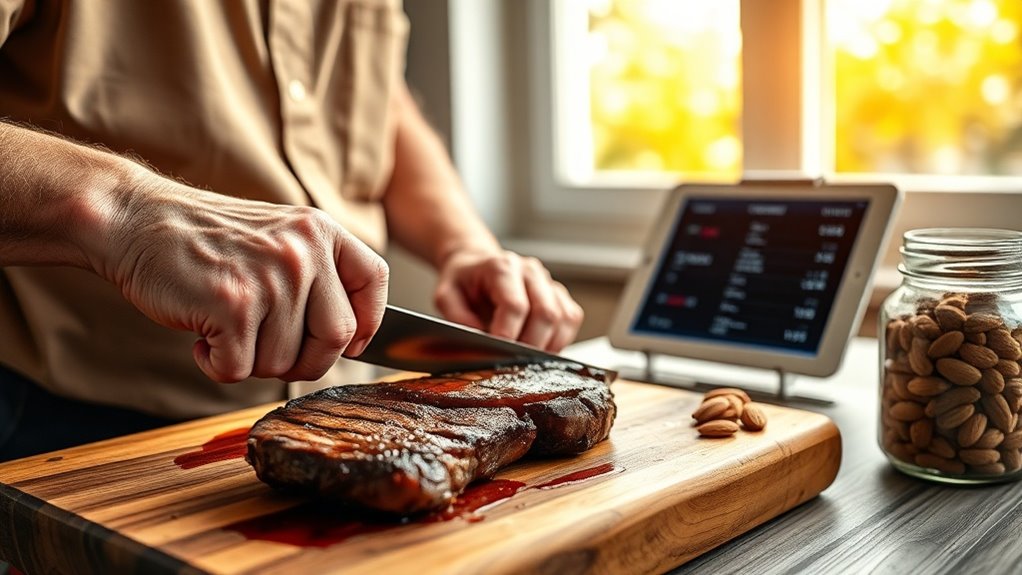
As men age, protein becomes less about muscle vanity and more about preserving function: it supports lean mass, bone health, and metabolic resilience, helping maintain strength, mobility, and independence. You’ll find protein matters beyond aesthetics because aging health hinges on sustaining tissue, organs, and energy systems. In practical terms, your body relies on protein every day to support protein synthesis, repair, and adaptation to activity. You experience slower turnover of some tissues, so consistently meeting needs becomes essential for preventing declines in functional capacity.
Your dietary guidelines should emphasize quality alongside quantity. Prioritize high‑quality protein sources that deliver all essential amino acids in favorable amounts and distribution. You’ll benefit from spreading intake across meals to optimize the efficiency of protein synthesis and muscle maintenance. As you plan, consider leaning toward 1.0–1.2 grams per kilogram of body weight per day if you’re sedentary, increasing toward 1.2–1.6 g/kg for active individuals or those aiming to preserve muscle during aging. This approach supports aging metabolism by supplying amino acids when demand rises during recovery and daily activity.
Exercise strategies complement protein intake. Resistance training paired with timely protein consumption amplifies anabolic signaling, supports lean mass, and preserves functional performance. You should schedule protein-rich meals or snacks within a couple of hours after workouts to maximize synthesis and translation processes. When you combine resistance work with endurance elements, you enhance overall metabolic health and coordination, which translates to better independence as you age.
Hormonal changes influence protein needs and utilization. Testosterone, growth hormone, and insulin signaling shift with age, altering how efficiently your body uses dietary protein. You might notice changes in appetite regulation and satiety cues, making it important to balance energy intake with nutrient-dense choices. Adequate protein can help offset catabolic tendencies and support recovery from illness or injury, contributing to a steadier aging metabolism and maintained functional capacity.
Kidney function is a consideration, not a barrier, to higher protein intake for most older adults. You should monitor kidney markers if you have preexisting disease or risk factors, but in the absence of impairment, moderate increases in protein are generally well tolerated and support muscle maintenance and bone health. Focus on distribution, quality, and overall energy balance rather than simply chasing absolute grams.
Common Questions
How Much Protein per Day Is Optimal for Older Men?
You should aim for about 1.0–1.2 grams of protein per kilogram of body weight daily, adjusting for activity and health, and consider up to 1.5 g/kg if you’re very active or recovering. Think of protein as fuel for lean mass. You’ll optimize calorie balance, avoid excess energy, and maintain hydration strategies to support digestion and function. You’ll track intake, monitor how you feel, and adjust as needed to sustain strength and health.
Should Protein Sources Be Animal-Based or Plant-Based?
Protein sourcing matters, and you should mix animal and plant sources. For aging metabolism, lean animal proteins provide complete amino acids, while plant options add fiber and phytochemicals. Aim for a balanced profile across meals, including dairy or eggs if tolerated, plus legumes, nuts, and whole grains. Prioritize moderate portions and varied sources to optimize muscle maintenance, satiety, and metabolic health. In short, diversify protein sources to support aging metabolism and overall resilience.
Can Protein Help With Age-Related Muscle Loss Only?
Aging is a clock, and no, protein helps more than just countering age related muscle loss. You’ll support muscle preservation, optimize protein timing, and improve digestion factors for better recovery and function. While not exclusive to aging, protein supports strength and metabolic health across adulthood. You should pair balanced intake with resistance training, consider protein quality, and space meals evenly to maximize absorption and synthesis over time.
Do Seniors Require Protein Supplements or Whole Foods?
Seniors can get protein from both whole foods and supplements, but prioritizing whole foods supports protein sustainability and offers additional nutrients. You should tailor intake to individual needs, aiming for balanced meals with lean sources, dairy, legumes, and fortified options, while supplementing when dietary gaps exist. This approach supports mental focus, satiety, and muscle health; supplements aren’t mandatory if meals meet protein targets. Consult a clinician to fine-tune amounts and tolerances for your situation.
How Does Activity Level Affect Protein Needs in Aging Men?
You picture your muscles as a forge, heat rising with each step you take, and activity drives protein needs higher. When you stay active, you increase impact on muscle maintenance, so you’ll need more protein to support repair. Conversely, lower activity lowers demand, but you still must avoid deficiencies to manage risk. For aging men, align intake with your routine, fueling workouts and daily movement to optimize outcomes and risk management.