
Weightlifting strengthens your core, glutes, and pelvic stabilizers, which improves pelvic alignment and reduces discomfort during intimacy. With progressive overload and controlled breathing, you build endurance for sustained positions and better intra-abdominal pressure management. Hormonal benefits from resistance training, plus improved mood and energy, can elevate libido. Focusing on proper form and gradual progression helps you maintain a full, pain-free range of motion and confidence, shaping a more enduring intimate experience—and there’s more to consider as you continue.
Key Points
- Increases core, pelvic floor, and hip endurance, supporting steadier pelvic organs and reduced intra-abdominal pressure during intimacy.
- Improves pelvic stability and alignment by strengthening glutes and deep stabilizers, lowering discomfort in various positions.
- Elevates mood and energy via moderate to high-intensity resistance training, potentially boosting libido and overall sexual well-being.
- Enhances functional strength and movement control, leading to greater comfort, confidence, and endurance in intimate activities.
- Supports individualized, progressive programming with proper recovery, reducing pain, urinary symptoms, and pelvic discomfort during intimacy.
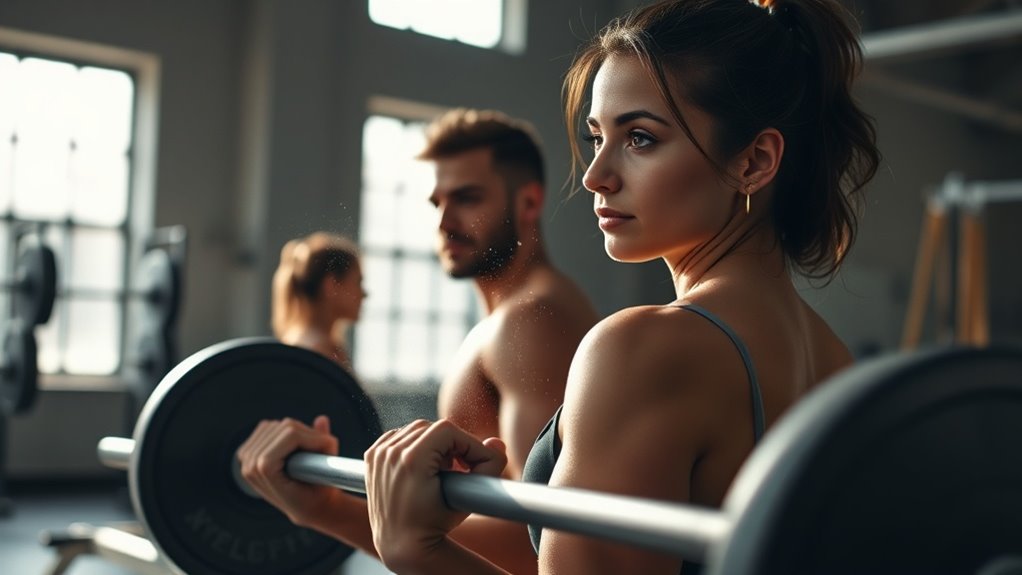
Engaging in weightlifting can affect intimate health in meaningful ways, with evidence suggesting improvements in pelvic floor function, hormonal balance, and body composition that influence sexual function and comfort. When you lift with proper form, you engage muscles across the core and pelvic region that support stability during daily activities and intimate moments. This is not about vanity; it’s about functional capacity that translates to enhanced confidence, reduced discomfort, and greater control during sexual activity. You may notice more consistent muscle activation patterns during friction, arousal, and sustained positions, which can translate to longer endurance and reduced fatigue.
Muscle endurance plays a central role in intimate health because repetitive contractions and sustained muscular engagement under load train your pelvic floor and core to tolerate stress without undue strain. Through progressive overload and appropriate recovery, you improve the fatigue resistance of your abdominal, hip, and pelvic muscles. This translates to steadier support for pelvic organs, better control of intra-abdominal pressure, and diminished risk of strain during intimacy. You’ll benefit from a training plan that gradually increases repetitions or time under tension while maintaining quality of movement, ensuring the pelvic range of motion remains full and pain-free.
Muscle endurance trains pelvic floor and core for steadier, pain-free intimacy.
Pelvic stability emerges as a key mechanism by which weightlifting supports intimate function. By strengthening the gluteal group, hip adductors, and deep stabilizers like the transversus abdominis and multifidi, you create a more reliable linkage between the pelvis and spine. This reduces compensatory patterns that can lead to lower back or groin discomfort during sexual activity and improves alignment in various positions. A stable pelvis also helps you manage intra-pelvic pressure during arousal and orgasm, potentially decreasing discomfort and enhancing sensation. Focus on controlled bracing techniques, diaphragmatic breathing, and lumbo-pelvic coordination to optimize stability while maintaining safe joint angles.
Hormonal balance can be influenced by resistance training through increases in circulating testosterone, growth hormone, and insulin-like growth factor-1, particularly with moderate to high-intensity loading and adequate recovery. You may experience improvements in mood, energy, and libido as part of an integrated health pattern. However, the relationship is individualized; it depends on training design, sleep quality, nutrition, and stress management. Prioritize individualized programming, clear medical guidance if you have preexisting conditions, and gradual progression to avoid overtraining, which can adversely affect hormonal milieu and sexual comfort.
In practice, you’ll adopt a patient-centered approach: assess baseline pelvic function, tailor load parameters to your capabilities, and monitor pelvic discomfort, urinary symptoms, or pain with intimacy. Consistency, proper form, and progressive overload are essential to realizing gains in muscle endurance and pelvic stability while supporting intimate health.
Common Questions
Can Lifting Affect Libido in the Short Term?
Short answer: lifting can transiently affect libido in the short term, but effects vary by intensity and individual physiology. You may notice changes due to hormonal fluctuations, fatigue, or stress, yet improved pelvic floor strength often supports sexual function over time. Prioritize moderate loads and progressive exposure to protect pelvic floor health, and monitor symptoms. If persistent libido changes occur, consult a clinician to assess hormonal, psychological, or biomechanical contributors to lifting libido and pelvic floor strength.
Is There a Sex-Differentiated Response to Lifting?
Yes, there can be sex differentiated responses to lifting, driven by hormonal adaptation and neural factors. In practice, you may notice variances in strength gains, fatigue, and recovery between you and others, shaped by testosterone, estrogen, and cortisol interactions. Evidence suggests nuanced, sex-specific trajectories rather than uniform outcomes. You should monitor your own responses, tailor programming, and discuss persistent disparities with a clinician to optimize hormonal and performance adaptations.
How Does Weightlifting Impact Pelvic Floor Health?
Weightlifting positively impacts pelvic floor health by improving pelvic activation and enhancing core stability. Regular resistance training increases intra-abdominal pressure control and strengthens the muscles supporting the pelvis, reducing risk of prolapse and incontinence. You may notice better coordination during contractions, improved bladder control, and more stable alignment during lifts. Focus on diaphragmatic breathing, diaphragmatic engagement with exhalation, and progressive loading to optimize pelvic activation and core stability for durable, functional gains.
Should Beginners Modify Goals for Sexual Performance?
A hypothetical case: you’re a beginner adapting to sex-life goals after starting light resistance training. Yes—the answer is yes: you should consider a mission shift and goal reframing. You may adjust expectations, focusing on consistent progress, not peak performance. In clinical terms, gradual, realistic targets protect pelvic health and mood. Track sensations, communicate with partners, and reassess regularly. If needed, consult a clinician to tailor a personalized, evidence-based plan.
Are There Risks of Injury Impacting Intimate Life?
Yes, there is an injury risk that can impact your intimacy. With weightlifting, you may experience muscle strains, joint sprains, or hernias that transiently affect performance and comfort. Proper technique, gradual progression, and adequate warm-ups reduce this impact. Wear supportive gear, listen to pain signals, and allow sufficient recovery. If discomfort persists during intimacy, consult a clinician. Overall, risk is manageable with safety measures, and awareness helps protect your intimacy and overall function.